


A two-week port delay is a frustrating logistical annoyance for standard consumer goods; it is an absolute financial disaster for a shipping container loaded with temperature-sensitive pharmaceuticals. The global pharmaceutical industry relies heavily on complex, international supply chains to move massive volumes of active pharmaceutical ingredients and bulk medications across the oceans. These critical healthcare components demand an absolutely flawless, uninterrupted cold chain from the primary manufacturing laboratory to the final regional processing facility. However, the modern realities of ocean freight are inherently unpredictable. Global port congestion has become a persistent, systemic issue, leaving massive bulk pharmaceutical shipments stranded in chaotic maritime terminals for extended, highly dangerous periods. These unpredictable delays place a massive strain on refrigerated shipping containers, exponentially increasing the risk of mechanical failures, power losses, and total product spoilage. Assuming that a reefer container will function perfectly during a prolonged, stationary delay at a congested port is a massive corporate gamble that quality assurance directors can no longer afford to take. Passive tracking methods guarantee absolute product loss when these inevitable delays occur, leaving logistics teams completely blind to the decaying condition of their cargo. Active, pallet-level monitoring provides the continuous, real-time data needed to actively intervene, secure the cold chain, and save compromised shipments before they are fundamentally ruined by logistical bottlenecks.
The Reality of Global Port Congestion
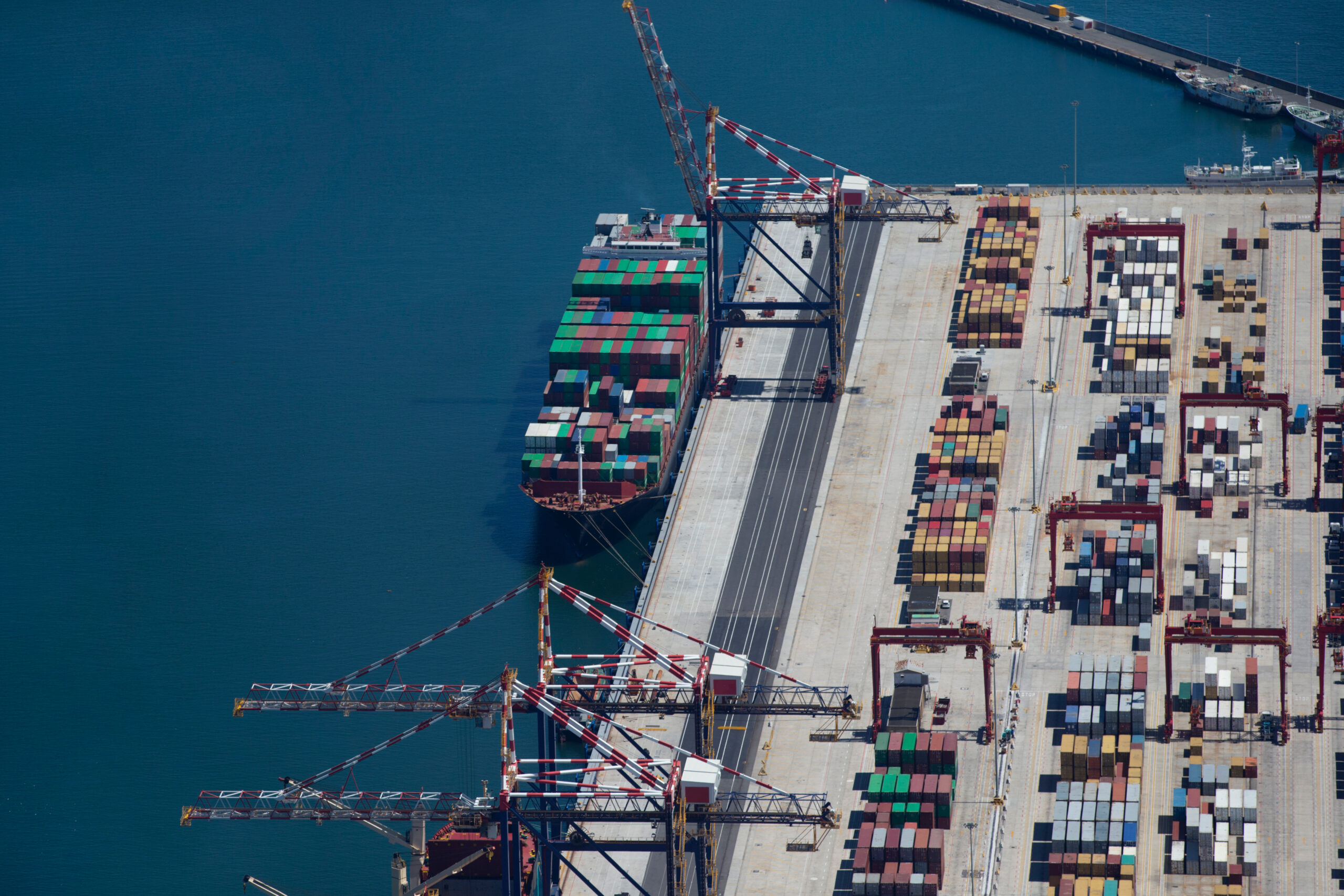
The global maritime infrastructure is currently operating under unprecedented stress. Extended dwell times at major international ports have transformed from rare anomalies into standard operational hazards. When massive cargo vessels finally arrive at their destination terminals, they frequently spend days or even weeks waiting at anchor before they can secure a berth. Once unloaded, the shipping containers often sit stationary in massive, overcrowded terminal yards waiting for overwhelmed customs officials and scarce inland freight carriers. This severe port congestion places a massive, continuous strain on the specialized refrigerated containers tasked with keeping bulk pharmaceutical shipments stable. Reefers rely on consistent power supplies, either from the vessel grid or the port terminal infrastructure, to maintain their highly specific internal micro-climates. When a reefer is repeatedly transferred or left sitting in a congested yard, the risk of it being accidentally unplugged or suffering a localized mechanical failure skyrockets. Logistics directors operating blindly have no idea if their multi-million dollar shipment is safely plugged in or slowly baking in the sun. Automated dwell time alerts completely change this dynamic. By utilizing advanced tracking technology, pharmaceutical supply chain teams receive instant notifications detailing precisely how long a specific container has been stationary at a congested port. This precise location and duration data allows corporate logistics teams to proactively prioritize customs clearance for the most delayed shipments and coordinate immediate inland retrieval, minimizing the cargo exposure to the chaotic and risky port environment.
The Failure of Passive Cold Chain Tracking
The pharmaceutical industry has historically relied on passive data logging devices to monitor temperature compliance during transit. In the context of modern ocean freight and severe port delays, this reliance is a fundamental failure of active quality control. A passive USB data logger placed inside a shipping container only serves as a digital autopsy report. It allows quality assurance directors to download a graph at the destination facility that explicitly confirms precisely when and why a multi-million dollar bulk shipment was ruined during a port delay weeks prior. This retroactive data provides absolutely no operational value for saving the cargo while it is still in transit. Bulk pharmaceutical logistics requires a complete shift from passive observation to active intervention. Real-time micro-climate monitoring detects dangerous temperature shifts the exact instant they occur. Highly sensitive IoT sensors deployed at the pallet level continuously monitor the internal thermal dynamics of the reefer container. If a refrigerated unit loses power while sitting in a congested terminal yard, the internal temperature will inevitably begin to slowly rise. Long before the temperature breaches the critical safety threshold that ruins the medication, the active monitoring system transmits an urgent, high-priority alert directly to the global logistics control center. This critical early warning provides the supply chain team with a highly actionable window of opportunity. They can immediately contact the local port terminal operator, pinpoint the exact location of the failing container in the yard, and demand that the reefer be immediately reconnected to a power source or repaired, effectively saving the bulk shipment from total destruction.
Securing Active Pharmaceutical Ingredients
The stakes involved in bulk pharmaceutical ocean freight are significantly higher than standard commercial transit, primarily due to the nature of the cargo. The most critical shipments moving across the oceans are not finished, packaged pills ready for distribution; they are massive quantities of Active Pharmaceutical Ingredients. These bulk APIs are the highly concentrated, incredibly sensitive biological and chemical raw materials required to manufacture medications at regional facilities across the globe. Bulk APIs require incredibly strict, narrow temperature bands to remain chemically stable and biologically viable. Even a minor temperature excursion during a port delay can irreversibly degrade the active compounds, rendering the entire shipment useless. The loss of a single container of bulk APIs does not just represent a direct financial loss of the raw materials; it triggers a cascading catastrophic failure down the entire manufacturing line. Without the critical raw materials, regional pharmaceutical manufacturing plants are forced to halt production completely, leading to massive downstream shortages of essential medications. Securing these highly sensitive materials requires an independent tracking infrastructure that remains continuously active regardless of the external environment. Independent monitoring ensures that the critical raw materials are continuously supervised, regardless of whether the ocean carrier systems fail or the port terminal tracking grid goes offline. This uninterrupted visibility guarantees the chemical integrity of the APIs throughout the most chaotic segments of the global supply chain, ensuring that regional manufacturing facilities receive the viable components they need to maintain uninterrupted production schedules.
Maintaining Strict Regulatory Compliance
The transportation of bulk pharmaceuticals is one of the most heavily regulated logistical operations on the planet. Global health authorities, such as the FDA and the EMA, enforce exceptionally strict Good Distribution Practice regulations designed to protect public health. These regulatory frameworks demand absolute, unalterable proof that a continuous cold chain was maintained for every single second of the journey, from the primary laboratory to the final destination. Health authorities do not grant exceptions for severe weather, vessel breakdowns, or unpredictable port congestion. If a pharmaceutical manufacturer cannot provide a continuous, verifiable log proving that the specific temperature requirements were met during an extended three-week delay at a maritime port, the quality assurance team must assume the cargo is compromised. In these scenarios, the entire bulk shipment must be legally quarantined and subsequently destroyed, even if laboratory testing later suggests the product might still be viable. The lack of continuous data is legally equivalent to product contamination. To navigate this uncompromising regulatory landscape, pharmaceutical logistics directors must utilize unalterable digital transit logs generated by independent monitoring systems. These active systems provide continuous, real-time proof of compliance that cannot be manipulated by local carriers attempting to hide a power failure. By presenting regulatory auditors and internal quality assurance teams with a flawless, continuous digital record of the cargo thermal stability, manufacturers ensure rapid regulatory approval and completely eliminate the massive financial losses associated with compliance-based cargo rejections.
Conclusion
The global pharmaceutical supply chain is far too critical and financially valuable to rely on best-case scenarios or the assumption that international port operations will run smoothly. Unpredictable delays, severe congestion, and mechanical reefer failures are the standard reality of modern ocean freight. Bulk pharmaceutical logistics requires absolute certainty and the ability to instantly intervene when the physical environment threatens the integrity of the cargo. By deploying continuous, active micro-climate monitoring, quality assurance directors can eliminate blind spots, strictly enforce international regulatory compliance, and guarantee that their life-saving active ingredients survive the most challenging logistical bottlenecks.
Protect your bulk pharmaceutical shipments from port congestion and cold chain failures with Contguard.