

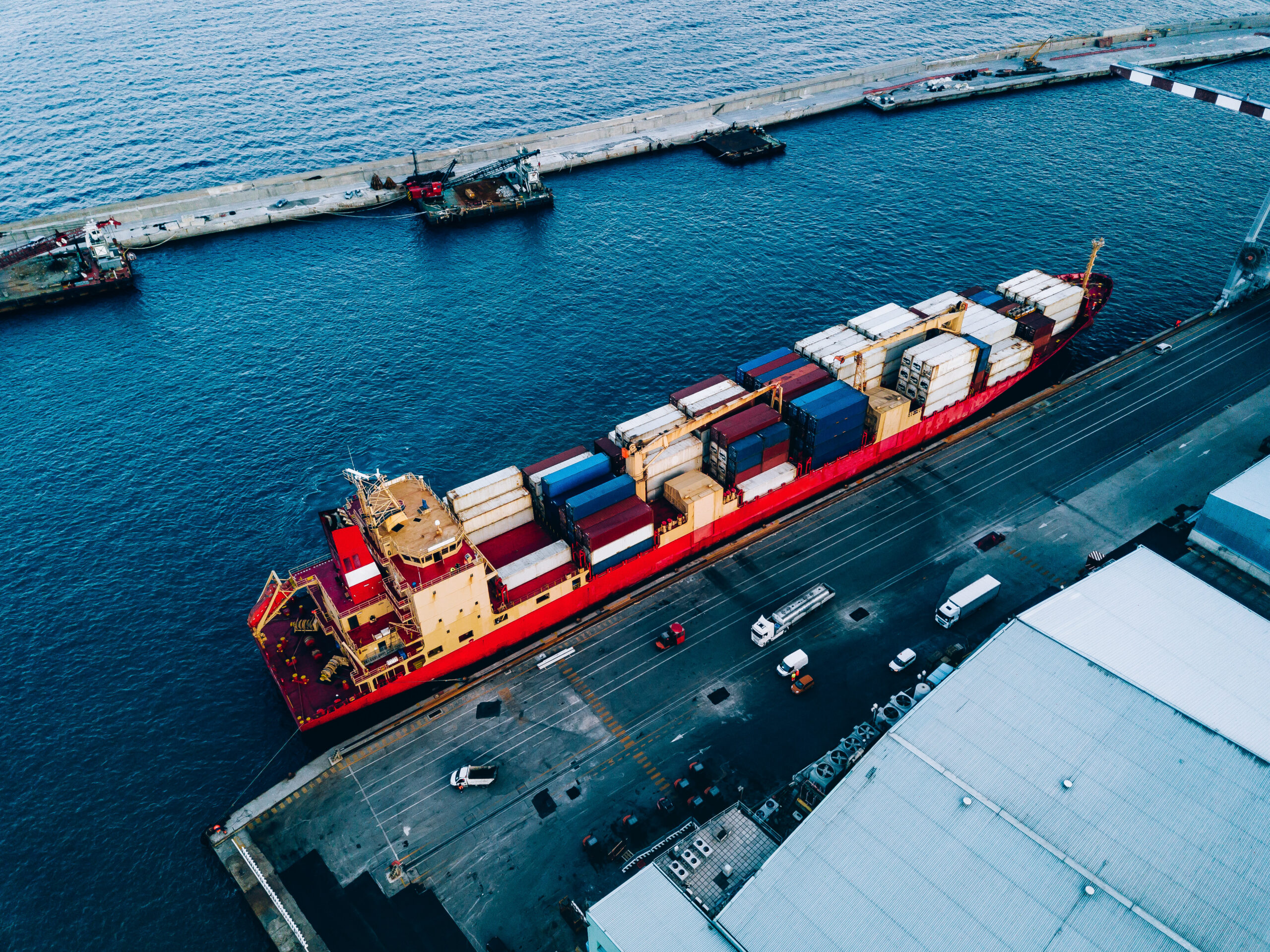

Growing high-quality agricultural produce is an incredibly labor-intensive process that demands months of careful cultivation, massive resource investment, and precise agronomic management. However, losing that entire harvest to a faulty reefer container during ocean transit takes only a few hours of undetected mechanical failure. The global food supply chain relies heavily on specialized refrigerated shipping containers to move vast quantities of highly perishable commodities, ranging from tropical fruits to temperature-sensitive bulk vegetables, across international oceans. This logistical reliance introduces a massive element of risk into the agricultural business model. International agricultural supply chains frequently assume that once a reefer is plugged into a cargo vessel, it will operate flawlessly for the entire six-week ocean journey. This assumption is a severe financial gamble. Reefers frequently experience power grid failures, localized mechanical breakdowns, and severe micro-climate fluctuations during long ocean transits. Standard maritime logistics operate with a profound lack of visibility, meaning these critical failures remain completely unnoticed until the container doors are finally opened at the destination port, revealing a total loss of the perishable cargo. Relying on passive temperature logs or simple location tracking is completely inadequate for protecting agricultural investments. Continuous cold chain monitoring provides the real-time visibility and instant alerts needed to actively intervene during mechanical failures, effectively saving perishable shipments from total destruction and guaranteeing global food safety.
The Financial Impact of Agricultural Spoilage
The financial margins in the global agricultural trade are notoriously thin, and profitability depends entirely on delivering a pristine product to the final regional distributor. When a multi-million dollar shipment of fresh produce is ruined during ocean transit, the monetary impact extends far beyond the immediate loss of the physical cargo. The United Nations Food and Agriculture Organization consistently reports that billions of dollars in food are lost annually strictly due to logistical failures and broken cold chains during global transit. When a shipping container of spoiled produce arrives at a destination port, it triggers a catastrophic financial chain reaction for the agricultural supplier. The buyer will immediately reject the compromised cargo, leaving the supplier entirely responsible for the astronomical costs of safely disposing of the rotting biological material at a foreign port. Furthermore, the downstream supply chain is severely disrupted. Regional distributors are left with empty shelves, retail contracts are breached, and the agricultural supplier suffers massive reputational damage that can destroy long-term international trade relationships. Preventing food spoilage in transit is not simply a matter of maintaining quality; it is a fundamental requirement for financial survival in the global food market. By implementing continuous agricultural supply chain visibility, logistics directors can completely eliminate the financial devastation of blind ocean transit. Real-time tracking ensures that corporate teams have absolute oversight regarding the physical condition of their massive financial investments, allowing them to proactively manage the cargo and guarantee that every shipment generates its intended revenue rather than becoming a costly logistical disaster.
The Unpredictability of Ocean Reefer Transit
The physical environment of the ocean is inherently hostile to the sensitive mechanical components of a refrigerated shipping container. Cargo vessels traversing international shipping lanes are regularly subjected to violent transoceanic storms, immense physical stress, and severe, continuous vibrations. These harsh physical forces directly impact the reliability of the massive onboard electrical grids tasked with powering thousands of reefer containers simultaneously. It is incredibly common for a specific sector of a cargo vessel to experience a temporary power surge or a localized electrical failure, causing a cluster of refrigerated containers to unexpectedly shut down. In standard maritime operations, the ship crew simply does not have the manpower to manually inspect the operational status of thousands of individual reefers every single hour. Consequently, a disconnected container can easily sit powerless in the middle of the ocean for days, rapidly absorbing the extreme ambient heat of the maritime environment. Global reefer tracking completely neutralizes this severe operational vulnerability by shifting the oversight from the overwhelmed vessel crew to a dedicated, automated digital system. Advanced monitoring devices attached directly to the reefer provide a continuous, independent stream of operational data. If a specific container unexpectedly loses external power or experiences a sudden compressor failure, the tracking system instantly detects the anomaly. It immediately transmits a high-priority alert via satellite connection to the global corporate control center. This critical early warning empowers the agricultural logistics team to contact the maritime carrier immediately, providing the exact deck coordinates of the failing container so the vessel crew can intervene, reset the breaker, and save the perishable produce before any permanent biological damage occurs.
Maintaining Strict Humidity and Temperature Controls
Protecting highly sensitive agricultural shipments requires a level of environmental precision that goes far beyond simply keeping the cargo cold. Different agricultural products demand highly specific, incredibly narrow micro-climates to halt the natural ripening process and prevent biological decay. While strict temperature control is paramount, the regulation of internal ambient humidity is equally critical. A massive shipment of premium citrus fruits requires a completely different humidity profile than a bulk container of root vegetables. If the humidity level inside a sealed reefer container drops too low, the fresh produce will rapidly dehydrate, lose its physical weight, and arrive at the destination shriveled and commercially worthless. Conversely, if the internal humidity spikes due to poor ventilation or a mechanical malfunction, the excess moisture creates the perfect breeding ground for rampant mold growth and aggressive bacterial infections that can consume an entire container in a matter of days. Furthermore, certain fruits release ethylene gas as they ripen, which can exponentially accelerate the decay of surrounding produce if the container ventilation system fails to cycle the air properly. Continuous cold chain monitoring addresses these complex biological challenges by utilizing precise, multi-variable micro-climate sensors. These advanced devices continuously analyze the exact internal temperature and humidity levels surrounding the pallets of produce. If any environmental metric begins to drift outside the strictly defined safety parameters, the system alerts the quality assurance team immediately. This level of precise environmental control ensures that the highly sensitive agricultural commodities remain in a state of suspended animation throughout the entire transoceanic journey, arriving at the destination with the exact same freshness and structural integrity as the day they were harvested.
Proving Quality for Customs and Buyers
The global trade of agricultural commodities is heavily regulated by international food safety organizations, national health ministries, and strict phytosanitary customs agencies. These regulatory bodies are tasked with protecting domestic ecosystems from invasive pests and ensuring that imported food is completely safe for human consumption. When a massive shipment of perishable produce arrives at a global port, it is subjected to rigorous inspections. Customs authorities and health inspectors require absolute, unalterable proof that the cargo was maintained at the legally mandated temperature for the entire duration of the voyage to prevent the proliferation of harmful pathogens. If a logistics director relies on delayed or fragmented carrier data, customs officials may quarantine the shipment for extended laboratory testing, which inevitably leads to total product spoilage while the container sits stationary in a port yard. Furthermore, premium corporate buyers and global supermarket chains demand total transparency regarding the logistical history of the food they purchase. They will not accept agricultural commodities that have suffered undocumented temperature excursions. Immutable digital transit logs generated by independent monitoring systems provide the absolute proof required by both government regulators and strict corporate buyers. By presenting continuous, unalterable data that explicitly details the micro-climate history of the cargo from the farm to the port, agricultural suppliers can completely bypass massive customs bottlenecks. This continuous proof of quality completely eliminates the risk of compliance-based rejections, prevents lengthy financial disputes regarding transit liability, and gives global buyers total confidence in the safety and premium quality of the agricultural product.
Conclusion
The global food supply chain cannot afford the massive financial waste and operational inefficiency associated with blind maritime transit. Transporting highly perishable agricultural commodities across the globe is a complex logistical operation that demands absolute certainty and continuous environmental control. Assuming that a reefer container will function perfectly without active supervision exposes agricultural suppliers to devastating financial losses, massive product spoilage, and severe reputational damage. By deploying continuous, active micro-climate monitoring, global food logistics directors can eliminate the unpredictable risks of ocean transit, actively prevent mechanical failures from destroying their harvest, and guarantee the absolute freshness of their product upon arrival.
Eliminate spoilage and secure your international agricultural supply chain with Contguard.