

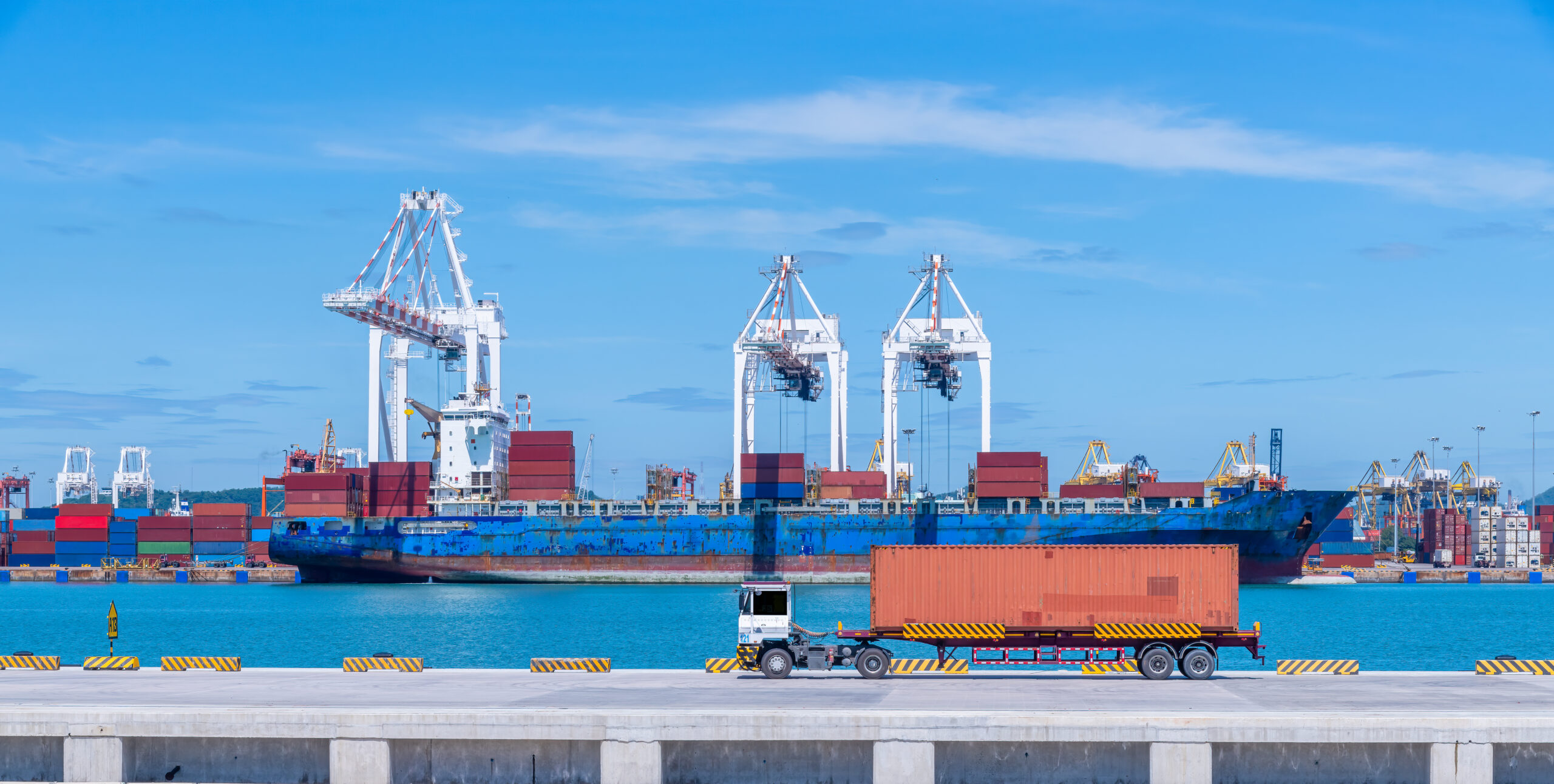

A global automotive supply chain is only as strong as its weakest link, which is almost always a congested border crossing or a complex rail yard. The modern automotive industry relies on vast, high-speed logistics networks that cross continents and oceans, but the frequent transfer of goods between different modes of transportation creates critical security vulnerabilities and severe logistical blind spots. Recent security data illustrates this growing threat, showing that rail cargo theft incidents have more than tripled in the United States since 2023. Simultaneously, in Mexico, the direct costs associated with cargo theft exceed 368 million dollars annually. This operational and security reality perfectly highlights the primary vulnerability of modern international supply chains. When massive corporations rely exclusively on the individual tracking systems of separated carriers, blind spots are naturally created during every handoff. The ocean freight company only tracks the massive vessel while it is at sea, the rail operator strictly monitors the specific train cars on their tracks, and the trucking company only provides visibility into the driver’s cabin. None of these individual entities provide continuous, active oversight of the actual physical cargo throughout the entire journey. As a result of this fragmented approach, highly expensive replacement parts, advanced battery packs, and critical electronic components vanish exactly at the transition points between different carriers. This guide explores how supply chain managers can achieve continuous visibility from the factory door directly to the assembly line, regardless of how many carriers are involved in the multi-modal journey.
The Multi-Modal Blind Spot
The inherent technological disconnect between the tracking systems utilized by rail operators, ocean liners, and trucking fleets creates severe daily vulnerabilities in the global automotive supply chain. Supply chain managers at major automotive manufacturers face absolute uncertainty every time a container full of expensive replacement parts or crucial microchips changes hands. The moment a heavy shipping container is unloaded from a vessel at a busy seaport and waits to be loaded onto a freight train for the inland journey, it effectively disappears from the manufacturer’s digital radar. The ocean carrier has fulfilled its contractual obligation and immediately stops transmitting data, while the rail company has not yet officially logged the cargo into its internal tracking architecture. During this critical window, which can easily stretch into days due to port congestion or labor shortages, the cargo is completely exposed to theft and damage. Criminal syndicates are intimately aware of these logistical blind spots and strategically target their operations during these exact moments when no single commercial entity holds direct responsibility for the container. Contguard resolves these blind spots completely by utilizing a single continuous tracking device that completely ignores artificial carrier boundaries. This communication device is physically attached to the specific cargo and provides uninterrupted data regardless of who is moving the container. This advanced technological approach guarantees full multi-modal visibility, giving logistics directors absolute control over their sensitive inventory during every phase of the physical journey. Furthermore, having independent tracking that is disconnected from the carrier systems eliminates the familiar blame game between different vendors when goods are lost or damaged, because there is only one objective, reliable digital source of truth.
Navigating Border Congestion
The modern automotive industry operates almost entirely on a strict Just-in-Time manufacturing model. This rigorous logistical framework is designed to maximize efficiency and requires incredibly precise timing for the delivery of physical components directly to the assembly line. Unpredictable customs delays directly threaten this sensitive manufacturing model. When loaded rail cars or commercial trucking fleets get trapped at a congested land border between component manufacturing nations and the primary assembly plants, the consequences of the delay are felt rapidly and destructively on the factory floor. Halting a main assembly line at a major automotive plant is a severe financial event that costs the corporation tens of thousands of dollars for every single minute of operational downtime. Senior operations directors simply cannot afford to learn about a border delay only when the expected truck fails to appear at the receiving dock at its scheduled time. Contguard provides supply chain management teams with real-time dwell time monitoring to alert logistics teams of border holdups instantly. The sophisticated system automatically detects when a commercial truck or freight train is delayed beyond the standard acceptable timeframe at a border checkpoint or regional customs terminal. The moment the system identifies a deviation in planned dwell times, an immediate alert is generated for the control center and the logistics personnel. This precise, early warning information allows operations managers to activate contingency plans, shift production priorities on the factory floor, reschedule labor shifts, or even authorize emergency air freight alternatives before the local border delay cascades into a total, catastrophic shutdown of the entire manufacturing facility.
Security at Intermodal Hubs
Inland rail yards, dry ports, and intermodal transfer points have long been recognized as prime targets for organized theft rings specializing in industrial goods. In these massive logistical transition zones, numerous containers sit idle for hours or even entire weekends without direct human supervision while awaiting transfer to a connecting truck or train. Preventing cargo theft at these borders and transit hubs requires security directors to move far beyond a passive reliance on the standard physical security measures of the local rail facility. Sophisticated crime syndicates study these extended wait times, map out the security patrol routes, and systematically breach isolated containers to steal expensive, easily transportable automotive components. The engineering solution provided by Contguard counters this strategic threat through the implementation of advanced environmental sensor technology. These specialized, independent sensors are installed inside the sealed container and monitor for any unauthorized access or light intrusion in real time. Door sensors trigger immediate alerts if a container is opened while waiting for a truck transfer in a dark rail yard. This rapid, focused technological response empowers the corporate global security team to halt the theft while it is actively occurring on the ground. The trained control center staff can immediately dispatch local security forces and law enforcement to the exact location of the breached container within the massive terminal. Secure automotive shipping in the modern industrial landscape relies entirely on the ability to physically respond to a breach the moment it begins, rather than frustratingly documenting the missing inventory upon arrival at the final assembly plant.
Streamlining Customs and Compliance
Crossing international borders within the complex automotive industry necessitates daily, continuous interaction with various customs authorities and strict international trade regulations. Providing absolute proof of container integrity significantly accelerates the customs clearance process every time a shipment crosses a sovereign border. When compliance officers and authorized customs agents inspect incoming cargo, they require definitive, reliable evidence that the container has not been opened, manipulated, or compromised since it departed the secure origin facility. Traditional paper documentation and basic physical plastic seals no longer provide the necessary level of certainty in today’s heightened security environment. Criminal gangs have long since mastered the art of bypassing and replacing physical seals without leaving any suspicious visual evidence. Contguard systems offer international trade managers an advanced technological solution through digital, immutable location and security logs. These encrypted digital records provide customs authorities with absolute proof that the container was not tampered with during its multi-modal journey. They definitively confirm that no unauthorized individual accessed the cargo during the complex transfers between trains, vessels, and trucks. The proven ability of automotive importers to present this digital, precise data transparently reduces the need for invasive manual inspections. Eliminating the requirement to physically unpack the cargo for inspection reduces long wait times at borders, saves the corporation massive demurrage fees, and ensures a much smoother, faster flow of critical goods toward the waiting assembly lines.
Conclusion
Cross-border automotive logistics require a level of visibility that crosses borders just as easily as the shipments are intended to. Relying blindly on the fragmented and disconnected tracking systems of various transport companies creates unacceptable operational and financial risks for an advanced manufacturing industry that depends entirely on absolute schedule precision and zero backup inventory. Gaining true control over the multi-modal supply chain begins with adopting active, independent technology that stays with your cargo every step of the way. Want to eliminate blind spots in your multi-modal supply chain? Secure your cross-border shipments with Contguard.