

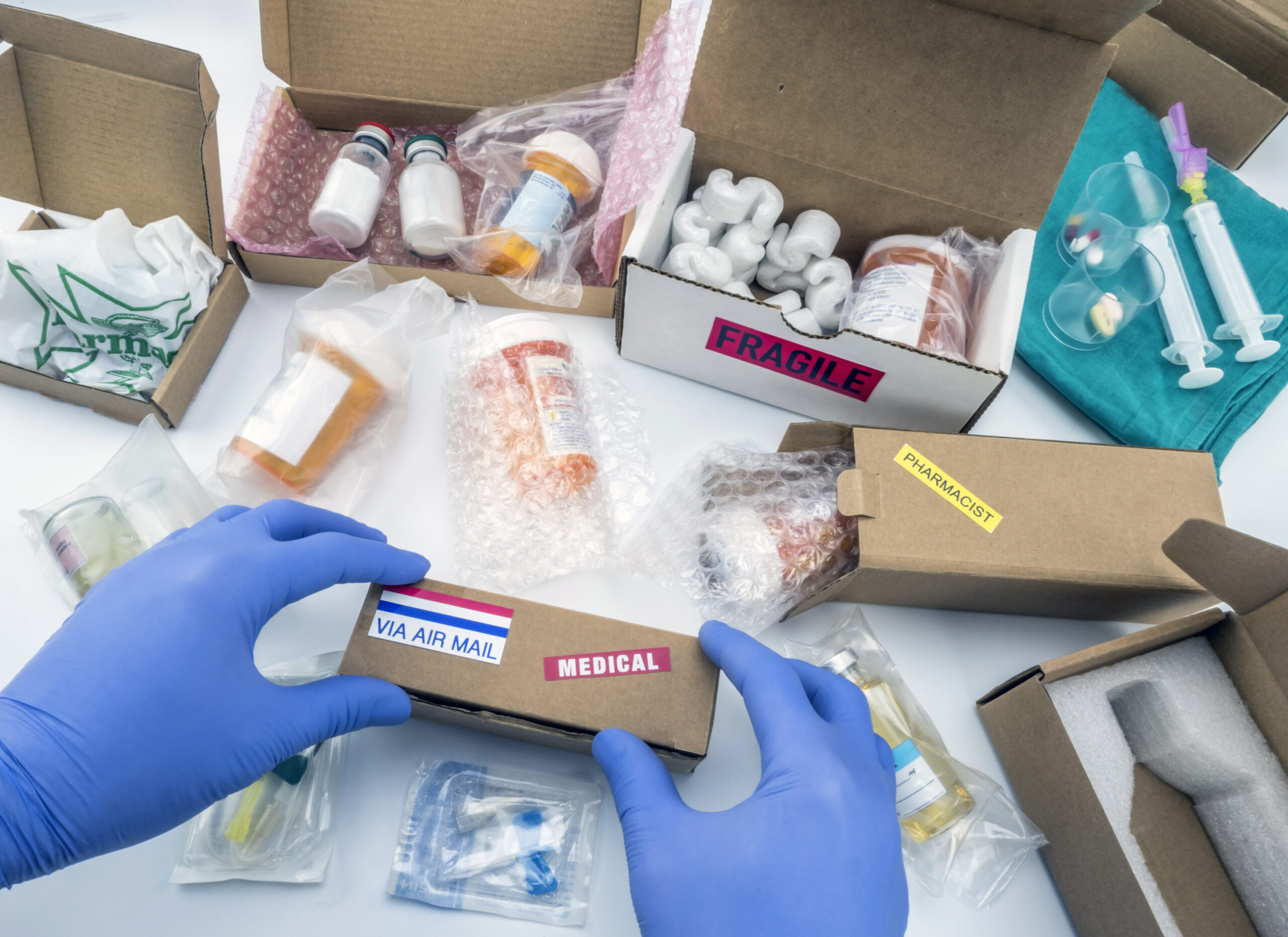

In commercial pharmaceutical distribution, a lost shipment of generic medication represents a temporary financial setback that is easily mitigated by standard corporate insurance policies. In the highly specialized realm of clinical trials, a lost sample means erasing years of medical research. The stakes in clinical research are astronomically higher than in standard commercial logistics, demanding a fundamentally different approach to supply chain security and environmental control. The financial investments required to bring a single viable treatment to the market are staggering. The Tufts Center for the Study of Drug Development reports that the average cost to develop a new drug is 2.6 billion dollars. When logistics fail in this high-stakes environment, the consequences extend far beyond a simple insurance claim. Losing trial samples can delay a trial by months, costing millions in daily revenue loss.
The core of this challenge lies in the nature of the cargo itself. Biological samples are highly sensitive and completely irreplaceable. You cannot simply order a replacement vial of tissue from a distribution center if the original is destroyed by a temperature spike. The traditional methods of monitoring these critical shipments, particularly the industry reliance on passive temperature loggers, are vastly insufficient for this extreme level of risk. Modern medical research requires active, intervention-based logistics. This guide covers how active, real-time monitoring protects clinical trial integrity from the lab to the testing site.
The Value of Irreplaceable Samples
The clinical supply chain is built around materials that simply cannot be manufactured on demand. Biological samples, including complex blood draws, rare tissue biopsies, and customized genetic materials, cannot be re-ordered if damaged in transit. These materials are entirely unique to the specific human participant enrolled in the clinical study. When a trial participant undergoes a complex, time-consuming, or invasive medical procedure to provide a tissue sample, they do so with the expectation that the sample will be handled with absolute precision and care. If that specific vial is compromised due to a temperature excursion or a lost package during transit, the research team cannot simply ask the patient to return and repeat the procedure. In many cases, the patient must be excluded from the study data entirely, which severely compromises the statistical validity and the overall success of the entire trial phase.
Directors of research and development logistics are acutely aware of this vulnerability. Their primary operational goal is to protect these trial data assets from any form of logistical failure. Securing these irreplaceable materials requires a fundamental shift in tracking methodology, moving away from monitoring the delivery vehicle and focusing entirely on the payload itself. Parcel-level IoT tracking ensures the exact location and status of these unique vials at all times. By embedding highly sensitive tracking hardware directly into the individual medical cooler, operations teams gain the absolute certainty they need. They can monitor the physical movement of the specific biological asset through every corridor, loading dock, and transit hub, ensuring that the foundation of their medical research is never lost in the chaotic environment of global shipping.
Moving Beyond Passive Data Loggers
The clinical supply chain has historically relied heavily on standard USB data loggers to monitor the integrity of the cold chain. While these devices provide a record of the transit conditions, they represent a fundamentally reactive approach to logistics management. These passive data loggers only show a temperature failure after the shipment arrives at its final destination. This delayed reporting mechanism is entirely insufficient for modern clinical logistics. Finding out that a critical biological sample was ruined twelve hours ago while sitting on a hot airport tarmac does nothing to save the trial data; it only provides administrative confirmation that the research has been destroyed.
Supply chain managers require proactive solutions that prevent damage before it ever occurs. When dealing with sensitive proteins or live cells that will degrade rapidly if exposed to temperatures slightly above freezing, retrospective data is useless. The industry must transition to active micro-climate monitoring. Advanced systems provide real-time alerts that notify the control center of temperature drops instantly. This technology continuously evaluates the precise internal environment of the medical cooler, rather than the ambient temperature of the delivery van. If the internal temperature begins to drift outside the strictly defined clinical parameters, the system triggers an immediate warning. This critical window of time allows for rapid intervention before the sample degrades. A logistics coordinator in the control center can immediately contact the courier on the ground, instructing them to replenish the dry ice, adjust the vehicle cooling system, or move the package into a secure climate-controlled facility. This capability transforms the logistics team from passive observers into active protectors of the clinical trial.
Strict Regulatory Compliance
Clinical trials operate under the most rigorous regulatory oversight in the entire medical industry, and the standards for data integrity are absolute. Major governing bodies, including the FDA and EMA, require unbroken proof of the cold chain for trial data to be considered valid. Compliance officers face intense, constant pressure to prove that every single sample remained within its required temperature band from the exact moment of extraction at the local clinic to the final analysis at the central laboratory. Any unexplained gap in the transit data, or any temperature fluctuation that cannot be accounted for, immediately invalidates the biological sample and potentially jeopardizes the eventual market approval of the new drug.
Traditional paper records, manual temperature logs, and retrospective USB downloads are highly prone to human error, physical loss, and data corruption. These outdated methods cannot withstand the intense scrutiny of a modern regulatory audit. To satisfy strict government regulators and protect the financial investment of the trial, research organizations must completely digitize their compliance efforts. Automated, unalterable digital logs provide instant proof of condition for regulatory bodies. Because the environmental and location data is transmitted continuously by independent IoT sensors directly to a secure cloud platform, the resulting records cannot be manipulated, edited, or falsified by the carrier or the receiving clinic. This creates an absolute single source of truth. Compliance teams can confidently present these comprehensive data sets to health authorities, proving unequivocally that the biological materials were handled perfectly and that the resulting clinical trial data is entirely reliable and safe for analysis.
Navigating Complex Global Routes
Modern medical research is a massively global endeavor, designed to gather diverse data sets from varied populations. Consequently, clinical trials often span multiple continents, passing through various climate zones and highly complex customs points. A biological sample extracted from a patient in a rural clinic in South America might need to reach an advanced genomic sequencing laboratory in Northern Europe within a strict forty-eight-hour window. This immense logistical journey involves multiple carrier handoffs, extended international flights, and highly unpredictable delays at sovereign border control checkpoints. During this complex transit cycle, the package is subjected to extreme environmental changes, moving from sweltering humidity on a loading dock to freezing temperatures in an aircraft cargo hold.
Global logistics coordinators are tasked with the overwhelming responsibility of ensuring the sample survives these transitions completely intact. Relying on the disconnected, fragmented tracking systems of various international airlines and local ground couriers creates dangerous blind spots exactly when the cargo is most vulnerable. Maintaining the integrity of the research requires continuous visibility regardless of the carrier or country, ensuring the cold chain remains intact across borders. Independent monitoring technology travels with the parcel itself, completely ignoring artificial carrier boundaries and providing an uninterrupted stream of data directly to the central research team. This unified, global visibility empowers logistics coordinators to manage customs delays proactively, communicate effectively with border agents, and ensure the safe, rapid passage of international medical shipments without ever compromising the strict thermal requirements of the biological payload.
Securing the Future of Medicine
Clinical trials represent the future of medicine, and their supply chain must be as precise as the science itself. Treating unique human biological materials with the same logistical approach used for commercial freight is a dangerous operational error that costs the medical industry billions in lost research and delayed treatments. Safeguarding the future of healthcare requires a total operational shift in how sensitive medical shipments are managed, tracked, and protected across the globe.
The industry must replace passive tracking with active, parcel-level monitoring to protect your research and development investments. Only by maintaining continuous, real-time oversight of the internal micro-climate and exact geographic location can supply chain directors ensure that their critical data survives the journey from the patient to the laboratory.
Ready to protect your clinical trial data? Secure your biological shipments with Contguard.