

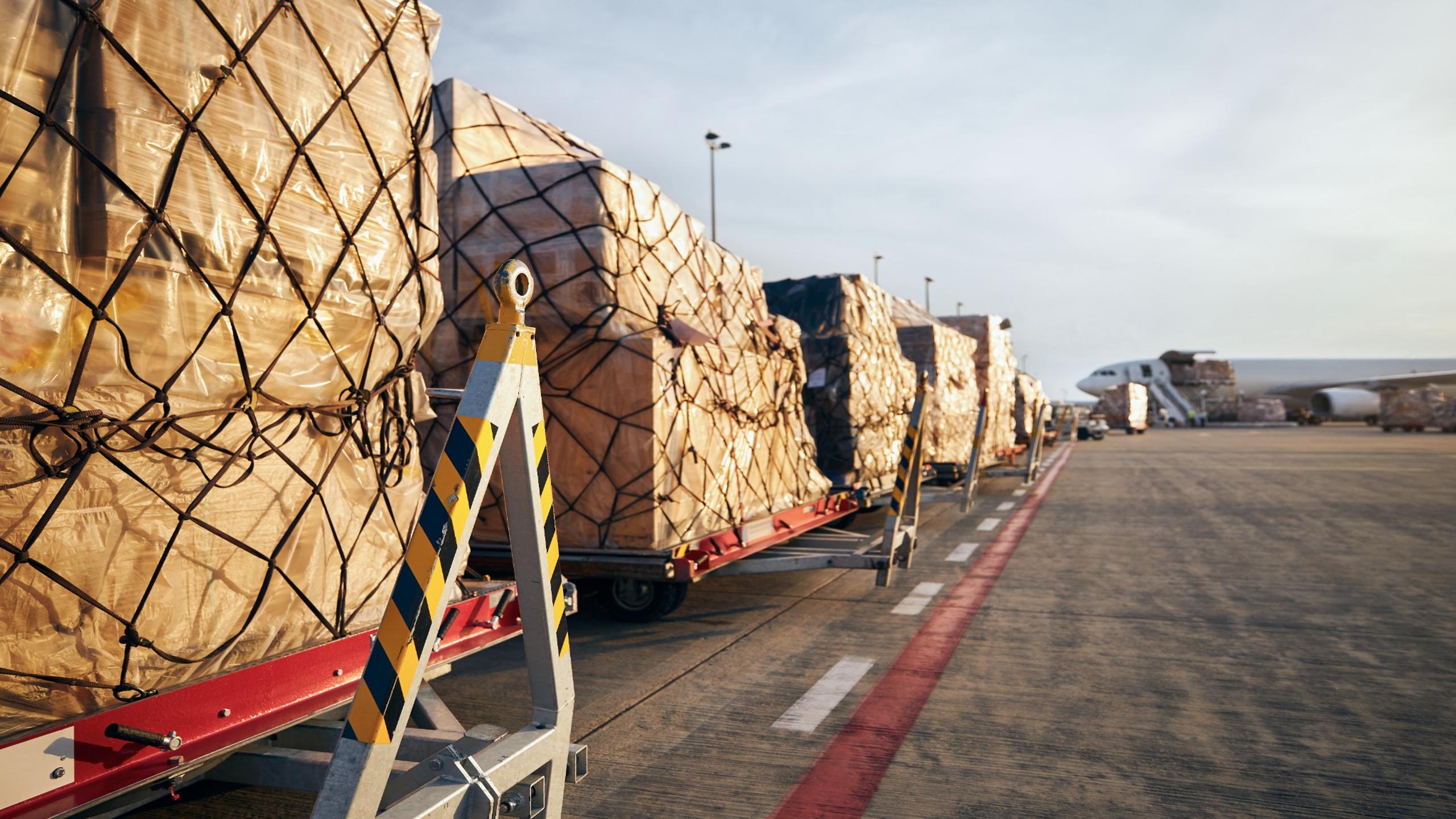

In the modern logistics landscape, moving high-value goods is no longer just a matter of careful driving. Managing high-value cargo has become a complex problem of operational risk management. In 2026, safety is not defined by how a driver reacts during an emergency, but by how well the entire system prevents that emergency from ever happening. Leading supply chain teams now treat security as a foundational part of their business strategy rather than a final check on the loading dock. True safety requires a shift from reactive habits to a proactive, data-driven mindset.
High-Value Cargo Raises the Stakes Across the Supply Chain
When the value of a single trailer can reach millions of dollars, the stakes for every participant in the supply chain are amplified. High-value cargo creates intense operational, financial, and safety risks. A single loss does not just mean a missing product; it means massive insurance premiums, broken contracts, and a potential threat to the physical safety of the crew involved. The urgency of this shift is underscored by recent data from CargoNet, which reveals that cargo theft losses surged by 60% in 2025, reaching an estimated $725 million. This concentration of value acts as a magnet for organized crime, requiring a level of protection that standard freight simply does not need.
What “Safe” High-Value Cargo Transportation Actually Means
In a modern context, “safe” transportation goes far beyond physical packaging and locks. It refers to the integrity of the entire journey. A safe shipment is one where the data remains secure, the identity of every handler is verified, and the environmental conditions are constant. Safety means having total certainty that the cargo has not been tampered with, diverted, or exposed to unauthorized access. It is about maintaining a “circle of trust” around the goods from the moment they leave the factory until they reach the final customer.
Risk Exposure Is Shaped by Cargo, Route, and Network Context
Not all high-value freight faces the same threats. The level of risk is shaped by the specific type of cargo, the chosen transport route, and the wider network context. For example, electronics moving through a high-theft corridor require different safeguards than pharmaceuticals sensitive to temperature. Modern teams analyze these threat profiles before the truck ever arrives. They look at historical data to identify “hot zones” and adjust their security protocols based on the specific vulnerabilities of that lane. Understanding the context of the journey is the first step in building an effective defense.
Why High-Value Cargo Fails Without Proactive Planning
Most high-value cargo losses are the result of small oversights made early in the process. When planning is rushed or incomplete, these tiny gaps grow into massive downstream vulnerabilities. If a carrier’s credentials are not fully vetted or a staging area is left unmonitored for just ten minutes, a professional theft ring will find that opening. Reactive security, which is trying to fix a problem after it starts, is almost always too late for high-value goods. Success in 2026 depends entirely on the work done before the engine even starts.
Common Failure Points Before Transit Even Begins
The most dangerous moments for high-value freight often occur before it even hits the road. Common failure points include a total lack of visibility into the staging area, unsecured warehouses, and incomplete driver verification. If the handoff between the warehouse and the transport team is disorganized, it creates a “grey zone” where cargo is most at risk. Criminals often target these pre-transit moments because they know security is often lower while goods are being prepped for dispatch.
Safety Starts Long Before Pickup
The most effective security measures are implemented upstream, long before the scheduled pickup time. Prevention is the priority. This involves rigorous pre-transit risk assessments where the team evaluates the sensitivity of the load and the potential exposure of the route. By identifying risks early, managers can choose the most secure carriers and equipment for that specific job. When safety starts early, the actual transit phase becomes much more predictable and controlled.
Pre-Transit Risk Assessment and Load Planning
Before any high-value load is dispatched, a deep analysis of value, sensitivity, and exposure must occur. This planning stage determines the level of security required for the specific journey. Managers must ask if the route involves high-risk overnight stops or if the cargo requires specific environmental monitoring. By understanding these variables upfront, the team can build a custom security plan that addresses specific vulnerabilities rather than applying a generic one-size-fits-all approach.
The Role of Transportation Management Systems in Risk Control
Modern Transportation Management Systems (TMS) are now essential for controlling risk. These systems coordinate all the data, carriers, and security controls in one place. A high-quality TMS allows managers to set strict rules, such as requiring two-person verification for high-value loads or blocking certain high-risk routes. By integrating security protocols directly into the booking and dispatching software, companies ensure that safety steps are never skipped. The TMS acts as the digital backbone of the entire risk management strategy.
Building Protection Into the Pre-Departure Process
Every high-value shipment must follow a structured, operational safeguard process before it departs. This includes using secure, specialized packaging and tamper-resistant materials that make unauthorized access immediately obvious. Documentation must be flawless to remove any ambiguity or potential for dispute at the delivery point. Furthermore, access management is strictly controlled; only a small, vetted group of employees should ever touch or have information about a high-value shipment. Limiting “insider exposure” is a critical part of pre-departure safety.
Secure Packaging and Tamper Resistance
High-quality packaging is about reducing opportunity rather than just preventing physical damage. Using specialized seals, shrink wrap that shows evidence of cutting, and hidden tracking devices makes the cargo a much less attractive target. When a thief sees that a pallet is heavily secured and monitored, they are more likely to move on to an easier target. Tamper resistance provides an immediate visual signal that the chain of custody is being actively managed.
Verification and Documentation Before Loading
Before a single box is moved onto a trailer, all documentation must be perfectly verified. This removes the risk of ambiguity or disputes during the transit. Verification includes checking the driver’s physical ID against the digital records in the system and ensuring the trailer numbers match the paperwork exactly. Proper documentation acts as a legal and operational anchor for the shipment, ensuring that everyone involved is held accountable for the cargo’s safety.
Controlled Handling and Access Management
Limiting the number of people who interact with high-value cargo is essential for reducing risk. Access management involves restricting entry to the loading area and ensuring only authorized personnel are aware of the shipment’s value and destination. By reducing the “human touchpoints,” a company lowers the chance of insider threats or accidental security breaches. Controlled handling ensures that the cargo remains within a verified circle of trust at all times.
Secured Staging and Holding Areas
Protecting cargo before it moves is just as important as protecting it on the road. Staging areas must be fully secured with cameras, lighting, and restricted access. Leaving high-value goods in an unmonitored area, even for a few minutes, creates an unacceptable risk. A secure staging environment ensures that the cargo remains protected while it waits for the carrier to arrive, bridging the gap between warehouse storage and actual transport.
Why the Loading Dock Is a Critical Security Boundary
The loading dock is the last environment where the shipper has total control over the cargo. Once the truck pulls away, the risk level changes completely. Therefore, the dock must be treated as a high-security boundary. Every person entering or leaving the area must be logged, and every pallet must be scanned and verified against the manifest. This is the final opportunity to ensure the “chain of custody” is perfectly established before the freight enters the open road.
Five Freight Security Controls That Reduce Pre-Transit Risk
- Seal Integrity and Verification:
Every trailer must be secured with high-security, numbered seals that provide clear evidence of any tampering.
- Dual Accountability During Loading:
Having two people verify and sign off on every high-value load significantly reduces the risk of internal theft or procedural errors.
- Load Order and Chain-of-Custody Records:
Maintaining a perfect digital record of every person who handled the goods ensures total traceability.
- Route-Aware Locking and Access Controls:
Modern locks can be programmed to only open at specific GPS coordinates, preventing unauthorized stops.
- Randomized Verification to Deter Abuse:
Introducing unpredictable security checks makes it impossible for criminals to plan around a standard routine.
Why Cargo Monitoring Is Essential Once Freight Is in Motion
A significant visibility gap often appears the moment a truck leaves the facility. Without real-time monitoring, a broker or manager is effectively blind until the next check-in call. For high-value goods, this gap is unacceptable. Continuous monitoring allows for the shift from static oversight to “continuous risk awareness.” This means the system is always checking for deviations in route, unexpected stops, or unauthorized door openings. In 2026, knowing exactly where the cargo is and what is happening to it at every second is the only way to manage moving risk.
The Shift From Static Oversight to Continuous Risk Awareness
Modern supply chains no longer rely on daily check-calls to manage risk. They use continuous awareness to monitor moving assets. This shift means that managers receive instant alerts if a truck stops in a high-theft area or if the trailer doors are opened outside of a geofenced delivery zone. Continuous awareness provides the data needed to make fast, informed decisions during transit. It replaces “hope” with “certainty” during the most vulnerable part of the journey.
How Contguard Supports Safer High-Value Cargo Transportation
Advanced platforms like Contguard provide the tools necessary for faster and safer interventions. By using IoT sensors and sophisticated data analysis, these systems can detect a security breach the instant it happens. If a high-value trailer is diverted from its planned route or an environmental threshold is crossed, the system triggers an immediate alert. This allows for rapid response, often preventing a loss before the criminals can escape. Contguard enables managers to see through the visibility gap and maintain control over their most valuable assets from afar.
Conclusion: High-Value Cargo Safety Must Be Designed Into the System
Managing high-value cargo is no longer just a task for the driver; it is a task for the entire organization. Safety must be designed into every step of the supply chain system, from the initial planning stages to the final delivery. By focusing on pre-transit prevention and using advanced technology for continuous oversight, modern teams can move multi-million dollar loads with total confidence. In 2026, the most successful supply chains are those where security is built-in, not bolted-on.
Learn more about our solutions for managing high-value cargo.