

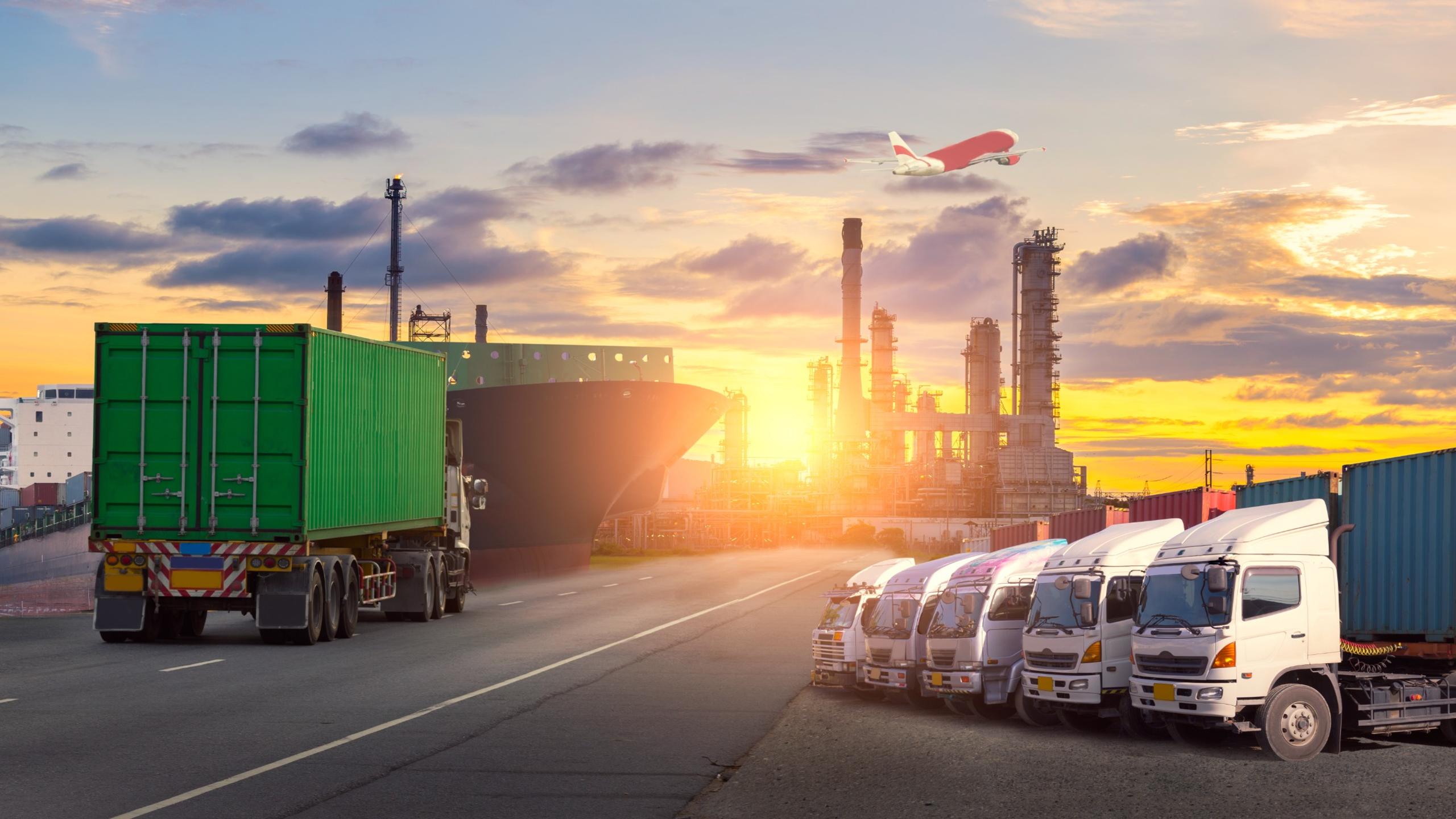

In 2026, moving goods across different modes of transport, such as switching from a ship to a train and finally to a truck, is a standard part of global logistics. However, every time cargo is handed off from one operator to another, the risk of theft or damage increases significantly. Multimodal transport is inherently higher risk than single mode transport because of these constant transitions. Each handoff creates a visibility gap where accountability can shift and security protocols might vary. These mode switches are the moments when high-value freight is most vulnerable to organized crime and environmental hazards.
The danger of these transition points is amplified by a shift in criminal tactics toward identity and authorization gaps, with fraudulent email attempts increasing 117% year over year in 2025. When freight is waiting at a port or a rail yard, it is often static, making it an easier target for those who have gained unauthorized access to digital manifests. This combination of physical transitions and digital vulnerability means that security cannot be a one-time event at the start of the journey. It must be a continuous process that follows the goods through every terminal, warehouse, and vehicle change.
The Complexity of Accountability in Multimodal Chains
One of the primary reasons risk escalates in multimodal journeys is the fragmentation of responsibility. In a single mode journey, one carrier usually maintains custody from point A to point B. In a multimodal environment, the chain of custody is constantly being broken and reforged. A shipping line may be responsible for the ocean leg, a port authority for the staging, a rail operator for the long haul, and a local trucking company for the final mile. If cargo arrives damaged or missing, determining exactly when the breach occurred becomes a massive investigative challenge.
Without clear, real-time data, these different parties often point fingers at one another. This lack of clear accountability is exactly what professional theft rings exploit. They target the “seams” of the supply chain where one party’s responsibility ends and another’s begins. To counter this, modern logistics managers are focusing on creating a “digital thread” that connects all parties. This thread ensures that every handoff is recorded with timestamped data and photographic evidence, making it impossible for a security failure to go unnoticed or unassigned.
Five Controls That Matter Most for Cargo Safety in Multimodal Transport
1. Packaging Designed for Repeated Handling Across Modes
Standard packaging is often built for a single journey, but multimodal cargo requires something much tougher. High-value freight needs shock resistant, weather proof, and tamper evident packaging specifically designed for multiple transfers. Every time a container is lifted by a crane or shifted on a railcar, the physical stress on the goods increases. Packaging must be able to withstand these repeated movements without failing or allowing the contents to shift dangerously.
Furthermore, tamper evident seals and advanced wrapping techniques must be used so that any unauthorized access is immediately visible at the next transfer point. In 2026, many companies are using “smart packaging” that includes sensors embedded directly into the crates. These sensors can detect if a box has been opened or if it has experienced a g-force impact that exceeds safety limits. When the packaging itself is part of the security network, the cargo is no longer a passive object; it becomes an active participant in its own protection.
2. Route and Mode Planning Based on Risk, Not Efficiency Alone
In a modern supply chain, the fastest or cheapest route is not always the safest. Effective multimodal planning balances efficiency with rigorous risk management. This involves looking at the history of specific lanes, the security levels of individual transfer points, and even potential weather exposure. For example, a rail yard in a high theft area might be avoided in favor of a slightly longer but more secure trucking route that offers better door-to-door visibility.
Vehicle selection also plays a massive role in this planning stage. Choosing carriers with a proven track record for high-value security and those who utilize the latest tracking technology is a critical part of the process. Planning also includes “contingency routing.” If a primary port becomes congested or a specific rail line experiences a spike in theft reports, the system should be able to pivot the cargo to a pre-vetted secondary route immediately. This proactive approach ensures that high-value goods never sit idle in a vulnerable location for longer than necessary.
3. Continuous Tracking and Condition Monitoring End-to-End
Maintaining visibility is the biggest challenge when cargo moves between different operators and modes. Continuous tracking using GPS and IoT sensors is essential for high-value freight. These sensors do more than just show a location on a map. They monitor the condition of the cargo, such as temperature, humidity, and light exposure. An unexpected spike in light levels inside a sealed container is a primary indicator of a door being opened, triggering an immediate alert to the security team.
Real-time alerts ensure that if a container is diverted or tampered with during a mode switch, the management team knows instantly. This allows for immediate intervention, such as contacting local law enforcement or port security before the criminals can move the goods out of the area. Continuous monitoring removes the blind spots that traditionally exist between different legs of a journey. It provides a single source of truth that all parties in the multimodal chain can rely on, ensuring that the “visibility gap” is permanently closed.
4. Risk-Aware Insurance and Pre-Transit Assessment
Insurance for multimodal transport must be as flexible as the journey itself. A standard policy might not cover the specific risks encountered during a complex rail-to-sea transfer or an extended stay in a third-party warehouse. Risk-aware insurance works best when it is aligned with an actual pre-transit assessment of the cargo’s exposure on each specific leg. Before the journey begins, professional inspections and risk profiling help determine where the highest threats lie.
By understanding these risks upfront, companies can ensure they have the right level of coverage and the necessary physical protections in place for every stage of the trip. This might include hiring specialized security escorts for certain high-risk road segments or utilizing premium “hard-sided” rail containers. A pre-transit assessment also serves as a benchmark. If the cargo’s condition changes at any point, the assessment provides the proof needed to file an accurate and successful insurance claim.
5. Workforce Training and Operational Discipline at Transfer Points
Technology is a powerful tool, but human decisions still determine whether cargo stays safe or fails. Operational discipline at transfer points is critical to the success of the entire journey. This means that every person involved in the loading, handoff, and staging of the goods must be properly trained in high-value security protocols. This training must go beyond simple safety procedures; it must include “threat awareness” to help workers spot the signs of digital fraud or physical surveillance.
When workers follow a strict and disciplined routine, they create a human shield around the cargo. This includes double-checking seals, verifying driver IDs against digital records at every switch, and ensuring that high-value pallets are never left in unmonitored “staging zones.” Training ensures that security remains a top priority even during the busiest parts of the logistics cycle. In an environment where fraudulent email attempts are skyrocketing, the ability of a dock worker or dispatcher to spot an inconsistent instruction can be the difference between a successful delivery and a total loss.
The Role of Technology in Bridging the Information Gap
The primary enemy of multimodal safety is the “information silo.” When the shipping line has one set of data and the trucking company has another, criminals find room to operate. Modern supply chain platforms are designed to break down these silos by centralizing all data into a single, shared dashboard. This ensures that every stakeholder has access to the same real-time information. If a ship is delayed, the trucking company is notified automatically, preventing the cargo from sitting unattended on a pier.
This technological bridge also allows for “predictive security.” By analyzing data from thousands of previous multimodal journeys, these platforms can predict where delays or risks are likely to occur. If a particular terminal is showing a trend of slow handoffs or increased security alerts, the system can flag it for extra attention. This allows logistics managers to focus their resources on the highest-risk areas, ensuring that the most vulnerable parts of the journey receive the most protection.
Conclusion: Designing Protection Across Every Transition
Multimodal cargo safety is all about designing a complete system of protection that follows the goods across every transition in the journey. The complexity of modern global trade means that freight will always be on the move, switching modes and changing hands. The goal for 2026 is to ensure that these transitions are as seamless and secure as the transit legs themselves.
By focusing on tougher packaging, smarter route planning, and continuous digital oversight, modern supply chains can move high-value freight across the globe with total confidence. The key is to recognize that in a multimodal world, you are only as strong as your weakest handoff. When every handoff is planned, every movement is monitored, and every participant is disciplined, the risk of theft and damage is drastically reduced. Cargo safety is a designed result of a well-engineered system.
Learn more about how Contguard ensures real-time tracking of shipments from origin to destination.