

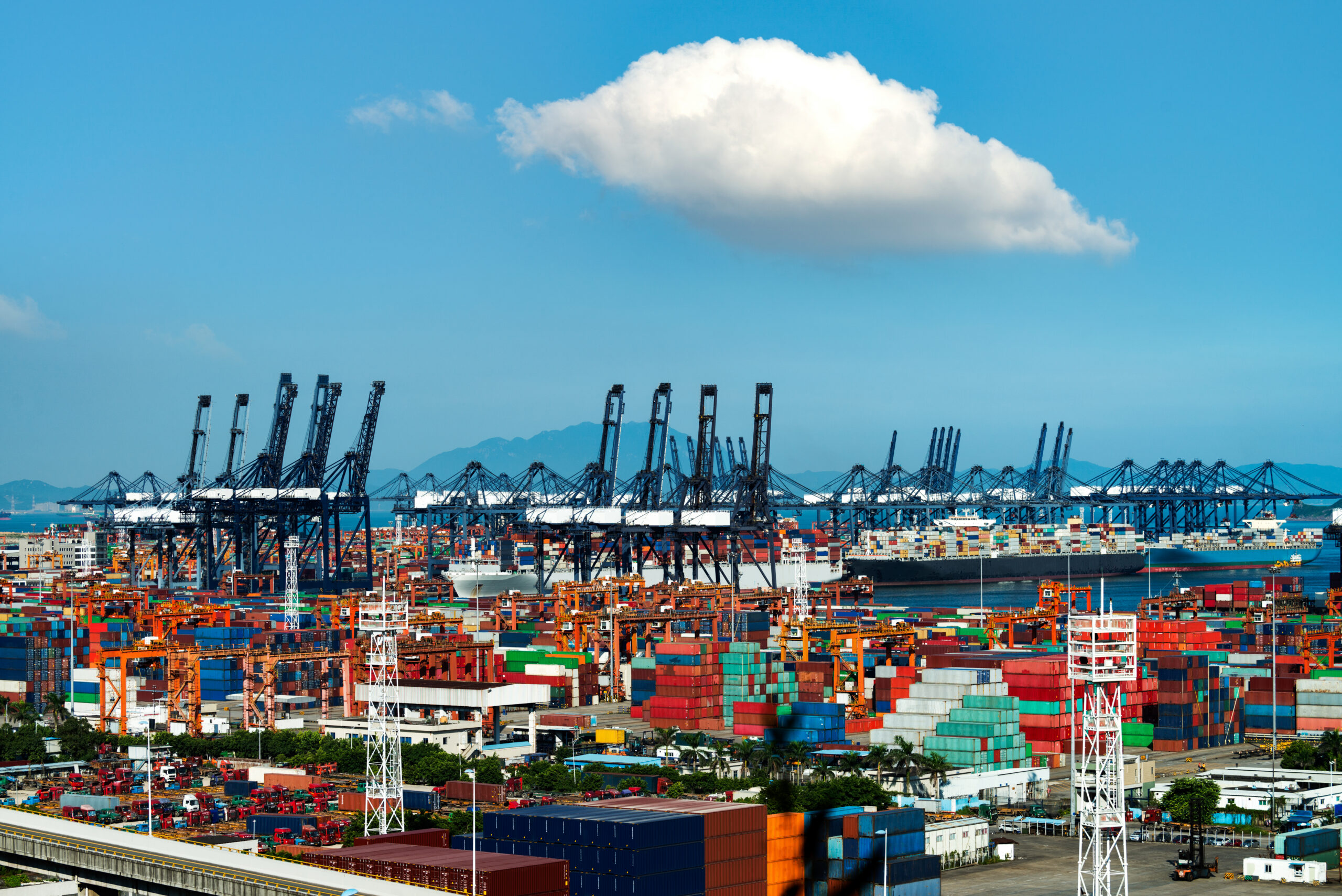

A sudden port strike can paralyze your supply chain in hours. The global maritime network is heavily reliant on continuous labor operations at major international terminal hubs to maintain the physical flow of global commerce. When organized labor disputes interrupt these highly synchronized terminal operations, the resulting physical congestion creates an immediate operational crisis for multinational beneficial cargo owners. Relying on official carrier announcements means you are already trapped in the congestion. By the time a regional port authority or a major ocean carrier issues formal written notice of a labor stoppage, thousands of commercial shipping containers are already physically locked behind inaccessible terminal gates.
Active IoT tracking provides the immediate visibility required to reroute cargo before the gates close. Global logistics directors absolutely need a reliable early warning system to constantly identify abnormal physical dwell times and immediately recognize the initial symptomatic indicators of port congestion before a strike is officially announced. Implementing a highly independent digital tracking infrastructure provides supply chain executives with the exact real-time physical data strictly needed to pivot massive cargo volumes to alternative maritime hubs. Modern corporate logistics cannot function effectively without continuous oversight over every single physical asset moving across the highly volatile international ocean freight network. The severe operational friction consistently generated by a sudden regional labor dispute strictly requires immediate executive action and absolute mathematical clarity regarding the exact physical geographic location of all critical inbound raw manufacturing materials and highly valuable outbound finished retail products.
The Anatomy of a Port Strike
Labor disputes cascade into massive regional congestion. A maritime port strike rarely begins as a total physical shutdown of all local terminal facilities. It typically develops slowly and progressively through a highly complex series of intentional labor slowdowns, heavily reduced mechanical crane operations, and severely restricted commercial gate access hours during ongoing contract negotiations between regional union leaders and municipal port authorities.
These initial physical disruptions immediately alter the real-time flow of goods independently of port authorities. When organized longshoremen deliberately reduce their standard operational processing speed, the entire physical discharging sequence of a massive commercial ocean vessel is severely compromised. Thousands of inbound corporate shipping containers begin to stack uncontrollably within the limited physical space of the terminal yard. This severe localized terminal yard congestion quickly forces heavily loaded incoming vessels to immediately drop anchor offshore, creating a massive physical backlog of commercial ships that effectively blocks all physical access to the entire regional maritime transit corridor.
The sudden lack of available physical chassis equipment exacerbates the crisis entirely, completely severing the vital physical connection between the maritime port infrastructure and the regional inland heavy trucking networks. Executive supply chain leaders simply cannot effectively manage this rapidly escalating physical crisis by strictly relying on heavily delayed operational reports. They require completely independent tracking technology to accurately monitor the continuous physical movement of their specific corporate containers.
By actively deploying autonomous digital sensors directly onto the commercial cargo, corporate risk managers gain a completely uninterrupted digital view of the entire operational terminal yard. They can accurately measure exact physical dwell times, mathematically track the precise physical speed of all inland freight transfers, and positively identify the exact moment a regional labor dispute actually begins to heavily degrade regional logistical performance. This independent operational executive oversight is strictly mandatory for establishing and permanently maintaining highly proactive supply chain agility.
Bypassing Carrier Information Lags
Carriers often delay updates during labor negotiations. When maritime labor unions formally initiate a coordinated strike or a deliberate operational physical slowdown, the major international ocean carriers immediately face immense internal logistical chaos. Their regional transportation command centers become completely overwhelmed by the sudden operational requirement to mathematically manage thousands of newly stranded physical assets, aggressively negotiate emergency terminal berthing schedules across multiple legal jurisdictions, and handle severe administrative operational demands from the compromised regional port authorities.
Consequently, the massive ocean carriers entirely freeze their standard electronic data tracking updates and completely fail to consistently provide beneficial cargo owners with accurate logistical reporting regarding their highly sensitive physical inventory. The official ocean carrier internet tracking portals continuously display completely static, historically outdated physical location data, strictly leaving corporate global logistics directors completely blind to the actual physical status of their corporate assets. This massive digital information lag permanently prevents executive supply chain management teams from accurately executing vital rerouting decisions.
To firmly maintain strict corporate operational control, multinational corporations must implement an entirely independent physical tracking system that actively generates continuous location data. Active Internet of Things tracking technology strictly bypasses the completely collapsed digital communication networks of the major ocean carriers entirely. Autonomous digital hardware sensors constantly communicate directly with highly independent global satellite networks. This direct communication protocol formally ensures that the executive corporate supply chain board continuously receives mathematically precise geographic coordinates for every single commercial shipping container currently in international transit. Armed strictly with this highly independent logistical digital intelligence, global logistics directors can quickly identify the exact commercial ships currently physically caught directly in the active regional strike zone. They can aggressively instruct the ocean carriers to proactively physically divert those highly specific commercial vessels directly to fully operational maritime ports long before they physically enter the highly congested regional anchorage areas.
Executing the Reroute
The logistical complexity of moving cargo to alternative, smaller regional ports is immense. When a primary international maritime hub shuts down completely due to organized labor action, the surrounding secondary coastal ports immediately experience a massive surge in diverted commercial cargo volumes. These smaller alternative maritime facilities are rarely structurally designed to safely handle the incredibly heavy physical capacity of standard global ocean trade lanes. Rerouting massive commercial ocean freight physically requires extreme mathematical precision to absolutely ensure the alternative maritime transit route does not immediately also become a severe physical bottleneck. If a corporate supply chain director successfully physically diverts a massive ocean vessel completely away from a striking primary port but forcefully sends it directly to a small regional terminal that entirely lacks adequate heavy mechanical crane lifting infrastructure or sufficient intermodal inland rail connections, the highly valuable commercial cargo remains completely physically inaccessible.
Executing a highly successful maritime freight diversion strictly demands absolute end-to-end visibility. Active digital tracking continuously provides the exact analytical mathematical foundation structurally required to accurately evaluate the true physical operational viability of all alternative commercial transit corridors. Corporate risk managers strictly utilize real-time physical velocity digital data to accurately monitor the exact processing speed of the alternative ports long before formally committing their diverted ocean freight to the new physical location. They mathematically analyze the precise physical flow of heavy commercial trucks successfully moving directly through the secondary terminal gates to guarantee the regional intermodal infrastructure can effectively absorb the sudden massive physical volume increase. This strict digital data transparency formally ensures that emergency maritime rerouting strategies actively accelerate the successful physical delivery of critical corporate manufacturing inventory rather than simply shifting the physical geographic location of the supply chain disruption entirely.
Avoiding Catastrophic Demurrage Fees
There is a massive financial penalty for having containers locked inside a striking terminal. When an organized regional labor dispute completely shuts down the physical terminal gates, multinational beneficial cargo owners are physically prevented from formally retrieving their highly valuable imported corporate inventory. Despite this complete and total lack of physical gate access, regional port authorities and major ocean carriers aggressively continue to uniformly assess standard daily demurrage and detention fees for every single calendar day the corporate cargo remains stationary within the paralyzed maritime terminal yard. During a significantly prolonged and severe regional port strike, these standard daily financial penalties rapidly escalate into entirely catastrophic institutional cash expenses that severely damage corporate quarterly profit margins and completely destroy massive working capital reserves.
The only financially effective corporate strategy for total detention mitigation is successfully preventing these massive fees associated with stranded containers entirely. This requires highly proactive maritime freight diversions that consistently keep physical cargo moving forward and strictly avoid all stranded asset costs. Independent location monitoring directly allows executive supply chain boards to formally execute these emergency freight diversions with absolute mathematical corporate confidence. By actively identifying the exact physical onset of localized terminal congestion long before the physical terminal gates officially close completely, corporate logistics teams can successfully physically intercept inbound commercial ocean vessels and definitively redirect them to entirely stable maritime operating environments.
For commercial cargo that has unfortunately already been physically discharged directly into the heavily striking regional port, the highly precise digital transit logs continuously provided by active tracking sensors effectively serve as entirely unalterable legal proof of the exact physical maritime delay. Corporate legal departments aggressively utilize these completely independent digital transit records to formally challenge all unwarranted demurrage fee invoices, proving mathematically that the physical delay was formally caused entirely by the regional labor dispute and absolutely not by any institutional operational failure of the corporate transportation schedule.
Conclusion
Labor disputes require proactive, data-driven agility. Operating a massive international corporate supply chain strictly under the constant physical threat of highly unpredictable regional port strikes heavily demands a fundamental institutional shift directly away from highly dangerous passive electronic data dependency.
Relying exclusively on massive ocean carriers for critical operational logistical intelligence during a severe regional labor crisis is an absolutely unacceptable corporate financial risk. Implementing an entirely independent digital Internet of Things tracking infrastructure directly provides the continuous, exact physical geographic data entirely required to definitively physically bypass congested maritime terminals completely.
Maintain absolute executive control over your complex international inventory networks and protect your massive financial capital investments from severe administrative penalties.
Keep your cargo moving during port strikes with Contguard.