

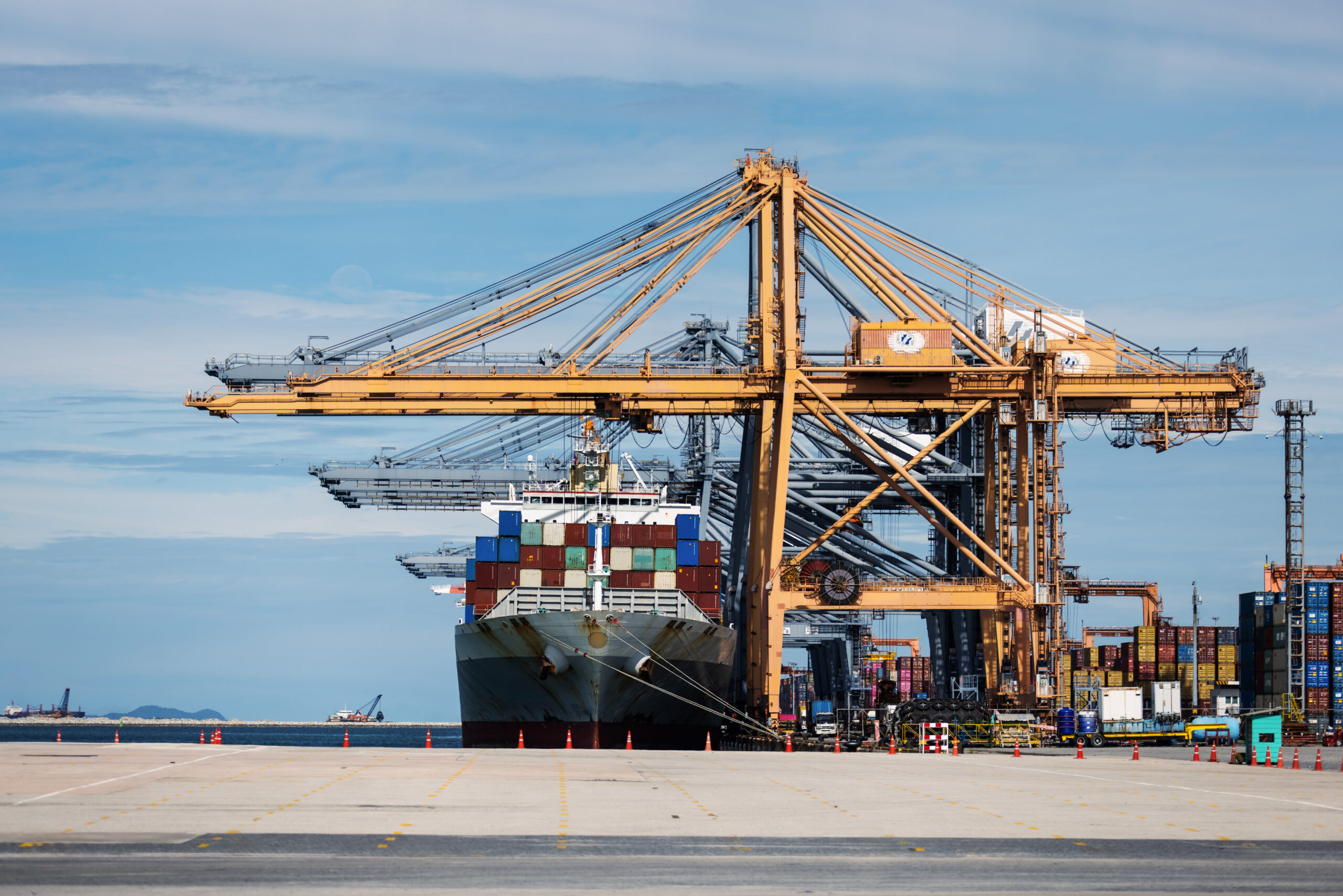

A minor physical bump to a standard shipping container goes completely unnoticed in the vast network of global maritime trade. A minor physical bump to a specialized crate holding an advanced photolithography machine destroys a multi-million dollar asset and severely delays the launch of an entire semiconductor fabrication plant. The global high-tech supply chain is responsible for moving the most complex, expensive, and fragile machinery ever engineered across highly unpredictable oceans and chaotic port terminals. Heavy machinery logistics in the technology sector is not about simply moving weight; it is a highly specialized discipline focused on preserving absolute microscopic precision while subjecting the equipment to the harsh physical realities of transoceanic freight. High-tech supply chains rely on massive ocean vessels and complex port transfers, exposing sensitive heavy machinery to dangerous physical forces, including severe drops, aggressive vibrations, and extreme tilt angles. Passive location tracking provides absolutely no protection against the dynamic physical forces that routinely destroy sensitive equipment during complex transit operations. Active shock and tilt IoT sensors provide the real-time data needed to ensure careful handling, immediately identify transit damage, and guarantee that the equipment required to build the factories of the future arrives in perfectly operational condition.
The Fragility of Heavy Machinery Logistics
Semiconductor equipment transport represents the absolute pinnacle of logistical difficulty and corporate financial risk. The machines required to manufacture modern microchips, such as extreme ultraviolet lithography systems or advanced wafer fabrication tools, often weigh several tons and require multiple specialized shipping containers for a single operational unit.. They contain highly calibrated optical lenses, perfectly aligned laser systems, and ultra-sensitive robotics that are incredibly vulnerable to physical shocks and continuous vibrations during ocean freight. Heavy machinery logistics traditionally focuses on safely securing the load to the deck of a cargo vessel or a specialized flatbed trailer to prevent catastrophic shifting during transit. However, simply securing a massive wooden crate does not isolate the fragile internal electronics from the immense mechanical energy transferred through the hull of a ship crashing through ocean waves or a terminal crane placing the cargo heavily onto a concrete pad. High-tech supply chain visibility requires a fundamental shift from merely monitoring the external location of the crate to monitoring the actual physical forces acting upon the machinery inside. Without continuous, real-time oversight of these dynamic physical forces, corporate supply chain directors remain completely blind to the true structural condition of their multi-million dollar assets until they are unboxed at the destination cleanroom. Discovering a shattered internal component at the final destination is far too late to mitigate the physical damage or source a replacement without causing massive, incredibly expensive facility delays.
The Failure of Passive Impact Indicators
For decades, the standard logistical method for monitoring the handling of heavy industrial machinery relied almost entirely on passive impact indicators. These mechanical tilt switches, chemical vials, and shock-sensitive stickers are attached to the exterior of wooden shipping crates with the expectation that they will deter rough handling by port personnel and heavy machinery operators. This reliance is a massive operational vulnerability for modern high-tech manufacturers. Passive impact indicators only provide a binary visual confirmation that damage likely occurred upon arrival. They offer absolutely no real-time data, and more dangerously, they are notoriously easy to manipulate. Carriers attempting to hide a severe crane drop or an aggressive rail maneuver can simply remove a triggered chemical indicator and replace it with a fresh one before the cargo is officially handed over to the receiving facility, completely masking the mishandling event. When dealing with multi-million dollar semiconductor equipment transport, this lack of reliable data is unacceptable. The high-tech industry requires unalterable digital logs that transmit shock events in real-time directly to a centralized corporate control center. Active shock and tilt IoT sensors cannot be bypassed, tampered with, or replaced by local freight handlers attempting to avoid liability. If a forklift operator drops a critical manufacturing component, the digital sensor instantly records the precise gravitational force of the impact, the exact angle of the tilt, and the specific time and geographic location of the event. This immediate transmission ensures that logistics directors are instantly aware of severe mishandling, allowing them to order immediate technical inspections rather than unknowingly installing structurally compromised machinery into a highly sterile semiconductor cleanroom environment.
Identifying Liability in Complex Handoffs
Moving massive high-tech equipment across the globe is never a simple, direct journey from a manufacturing floor to a final installation site. These specialized shipments require highly complex multi-modal handoffs, transitioning from heavy-lift ocean freighters to specialized regional rail cars, and finally to massive heavy-haul trucks requiring specific route clearances and police escorts. Every single transition point introduces a new logistics carrier, a new set of heavy lifting equipment, and a massive transfer of financial liability. When a crate arrives at the final destination, and the receiving engineers discover that the internal optics of a critical fabrication machine are shattered, a chaotic and incredibly expensive blame game immediately begins. The ocean carrier blames the terminal crane operator, the terminal operator blames the regional rail network, and the rail network blames the final heavy-haul trucking company. Without objective digital data, proving exactly who destroyed the equipment is a massive legal hurdle that frequently results in delayed insurance payouts and massive unrecoverable corporate losses. High-tech supply chain visibility definitively solves this liability crisis through absolute digital accountability. Because the active shock and tilt IoT sensors are physically attached directly to the machinery and operate completely independent of the various carrier networks, they maintain a continuous, unbroken chain of custody. The time-stamped, location-specific impact data definitively proves exactly which logistical carrier had possession of the equipment when the catastrophic drop occurred. This irrefutable digital evidence streamlines the complex commercial insurance claim process, holds negligent carriers directly accountable for their physical mishandling, and significantly reduces the financial exposure of the high-tech manufacturer.
Preventing Moisture Damage to Sensitive Electronics
While sudden physical impact represents the most immediate threat to heavy machinery logistics, the silent threat of moisture and environmental degradation is equally destructive to high-tech manufacturing equipment. A transoceanic journey exposes heavy shipping crates to highly aggressive marine environments characterized by intense saltwater spray, severe ambient temperature fluctuations, and incredibly high levels of relative humidity. The internal electronics, exposed wiring harnesses, and highly machined metal surfaces of semiconductor equipment are highly susceptible to rapid, irreversible corrosion if exposed to this humid ocean air. Even if a multi-million dollar machine survives the entire physical journey without a single mechanical shock, microscopic condensation forming on a critical internal circuit board can render the entire operating system completely useless upon final activation. Traditional desiccant packs placed inside the wooden shipping crates are often highly insufficient for extended ocean transits, especially if the maritime voyage is unexpectedly delayed by severe port congestion or sudden customs holds. To ensure the complete physical integrity of the equipment, active monitoring must extend far beyond physical impacts to include continuous micro-climate oversight. Advanced IoT sensors continuously measure the exact internal humidity and temperature levels within the sealed shipping crates throughout the multi-modal journey. If the internal environment approaches the critical dew point, creating the perfect conditions for destructive condensation, the system immediately alerts the global logistics control center. This real-time environmental data allows supply chain managers to monitor the integrity of the structural seals, demand immediate intervention if the cargo is stored in inappropriate port terminal conditions, and guarantee that the highly sensitive electronics remain perfectly dry and completely free of corrosive damage throughout the entire global supply chain.
Conclusion
Building the highly advanced factories of the future requires safely transporting the incredibly complex equipment that powers them. The global expansion of semiconductor fabrication facilities and massive high-tech manufacturing centers relies entirely on logistics networks that can guarantee the pristine arrival of massive, highly sensitive machinery. Trusting the safe transit of multi-million dollar physical assets to passive visual stickers and fragmented carrier reports is a massive operational failure that modern corporations can no longer afford. By deploying independent, active shock and tilt monitoring alongside precise environmental tracking, high-tech manufacturers can completely eliminate logistical blind spots, enforce strict accountability across complex multi-modal carriers, and ensure absolute operational readiness immediately upon delivery.
Protect your semiconductor equipment transport and ensure operational readiness with Contguard.