

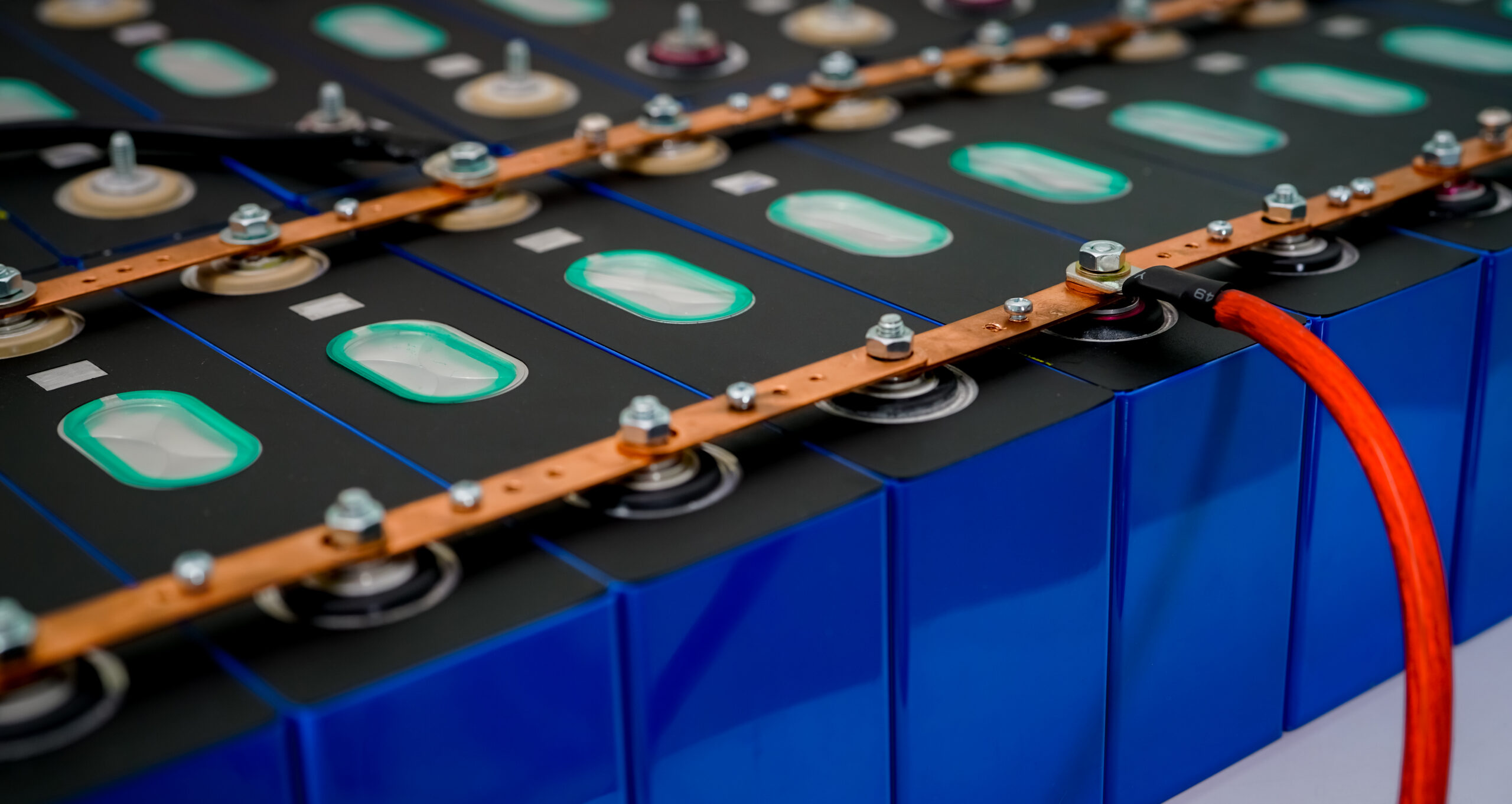

The global automotive industry is undergoing a massive transformation, shifting its foundational manufacturing base toward electric vehicles at an unprecedented pace. This massive industrial transition relies entirely on extensive maritime shipments of highly volatile lithium-ion batteries. These components originate from specialized manufacturing hubs and are destined for massive gigafactories across the globe. However, shipping lithium-ion batteries is not standard freight; it is the transport of highly volatile chemical energy. The scale of these shipments is staggering, with modern cargo vessels often carrying thousands of these high-capacity energy storage units simultaneously. A single container fire triggered by a damaged battery cell can destroy a multi-million dollar cargo vessel, while unexpected port delays can completely halt gigafactory production lines, costing manufacturers absolute fortunes in idle labor and missed delivery targets. Standard logistics tracking methods are completely insufficient for preventing these catastrophic fires and massive delays. Active, container-level tracking provides the vital early warnings needed to prevent maritime disasters, navigate complex customs bottlenecks, and keep the automotive production lines moving safely and efficiently.
The Financial and Physical Risks of Lithium-Ion Freight
The financial value enclosed within a single shipping container of electric vehicle batteries is incredibly high. Unlike traditional automotive components crafted from steel and aluminum, these advanced energy storage systems contain highly processed, expensive critical minerals like cobalt, lithium, and nickel. Consequently, a single compromised container represents a massive direct financial loss for the automotive manufacturer, often reaching millions of dollars before accounting for the downstream manufacturing disruptions. However, the physical risks far outweigh the immediate monetary value of the cargo. The global maritime industry is currently facing a severe crisis regarding the transportation of these energy-dense components. The catastrophic consequences of a maritime fire involving electric vehicle batteries cannot be overstated. When a lithium-ion cell fails due to manufacturing defects or physical transit damage, it releases intense heat and toxic, flammable gases. This chemical process can quickly trigger adjacent cells in an uncontrollable chain reaction known as thermal runaway. This type of chemical fire is notoriously difficult to extinguish using standard maritime firefighting equipment. It generates its own oxygen, allowing it to burn fiercely for days and severely compromise the structural integrity of the entire ocean vessel. The automotive logistics director must operate under the strict assumption that they are transporting hazardous materials that require constant, active supervision under international maritime regulations. Standard passive tracking methods, which rely solely on carrier-reported milestones, provide zero visibility into the actual physical condition of this dangerous cargo. Independent tracking and monitoring ensure these high-value, high-risk assets are strictly supervised throughout their transit. By implementing advanced technology, logistics directors can guarantee that their critical inventory is never lost in transit and that any potential physical threat to the cargo is immediately identified before it escalates into a catastrophic maritime incident that could bankrupt a shipping line.
Preventing Thermal Runaway at Sea
Preventing a catastrophic fire during an extended ocean voyage requires far more than proper packaging and hoping for a smooth journey across rough seas. It requires active, continuous micro-climate monitoring. Standard passive temperature logs are a severe liability when transporting lithium-ion batteries. A simple data logger that simply records temperature fluctuations only serves to confirm why a massive fire happened after the vessel has already suffered irreparable damage. In the context of transporting highly volatile hazardous materials, retroactive data is completely useless for loss prevention and safety management. Thermal runaway is always preceded by specific, measurable spikes in ambient temperature and off-gassing within the enclosed, unventilated environment of the shipping container. To prevent ignition, maritime safety officers and corporate logistics teams must have real-time visibility into the exact internal conditions of the container while the vessel is in the middle of the ocean. Advanced sensors deployed directly at the container level provide this critical, life-saving capability. These highly sensitive devices continuously monitor the thermal stability of the battery cargo, detecting abnormal heat spikes instantly. If the internal temperature begins to rise at an alarming rate, the system immediately transmits an urgent alert via satellite communication to the centralized control center. This instantaneous warning allows the control center to immediately notify the vessel captain and safety crew. Armed with the precise location of the overheating container deep within the ship hull, the crew can take immediate intervention measures. They can flood the specific container with advanced fire suppression agents or isolate it from other highly flammable cargo, successfully preventing a full-scale thermal runaway before a single flame is ever ignited.
Overcoming Port Congestion and Customs Delays
While thermal runaway represents the greatest physical threat to battery logistics, port congestion represents the greatest threat to manufacturing continuity and corporate profitability. The modern automotive gigafactory operates on incredibly strict manufacturing principles. This means that thousands of skilled workers and highly complex robotic assembly lines depend entirely on the precise, scheduled arrival of battery components. When shipping containers loaded with critical battery packs arrive at major global ports, they frequently encounter severe congestion, labor shortages, and highly complex customs inspections required for hazardous materials. Batteries stuck at these congested ports completely disrupt the delicate manufacturing schedules, and halting an assembly line can cost an automotive manufacturer tens of thousands of dollars for every single minute of downtime. Furthermore, leaving temperature-sensitive lithium-ion batteries sitting idle on a hot port tarmac for extended periods significantly increases the risk of chemical degradation and potential safety hazards. Logistics directors simply cannot afford to lose visibility of their cargo the moment it is offloaded from the ocean vessel. Relying on the port authority terminal operating system for status updates is a recipe for extreme delays. Active tracking resolves this massive operational blind spot through automated dwell time alerts. The system continuously monitors the exact geographic location of the container within the massive port facility. If a shipment remains stationary beyond its scheduled clearance window, the platform instantly notifies the corporate logistics team of the exact holdup. This proactive data empowers supply chain managers to immediately intervene, contact local freight forwarders to expedite customs clearance, or dynamically reroute available backup inventory to the factory floor, ensuring the massive production lines continue operating without costly interruptions.
Multi-Modal Security from Port to Plant
The hazardous journey of an electric vehicle battery does not end at the arrival seaport. The transition from massive ocean vessels to inland rail networks and heavy-haul trucks introduces a completely new set of severe logistical vulnerabilities. During these complex multi-modal handoffs, the heavy battery cargo is highly susceptible to severe physical drops during terminal crane operations, misrouting by local inland carriers, and dangerous delays in unregulated regional rail yards. The transition points between different transportation modes are the most dangerous segments of the global supply chain, precisely because visibility traditionally drops to zero during the handoff. A rail operator tracking system does not communicate seamlessly with the ocean carrier system, creating massive data silos. When shipping highly volatile and valuable chemical energy, these tracking blind spots are entirely unacceptable. To maintain the strict safety protocols required for hazardous materials, automotive manufacturers must deploy continuous tracking that completely ignores artificial carrier boundaries. A single, independent tracking device remains physically attached to the container, providing an uninterrupted stream of location, shock, and temperature data from the moment it leaves the overseas manufacturing facility until it reaches the final assembly plant. This continuous stream of data ensures the safety of the hazardous cargo throughout the complex inland journey. If a container is dropped heavily by a port crane during a rail transfer, or if a heavy truck deviates from its approved hazardous materials highway route, the control center is alerted immediately. This uncompromising level of multi-modal security guarantees that the batteries arriving at the gigafactory are safe, fully functional, and ready for immediate installation.
Conclusion
The future of automotive manufacturing is undeniably electric, and realizing this ambitious future requires a logistics network capable of safely and efficiently handling its most volatile components. Transporting lithium-ion batteries across oceans and continents is an inherently dangerous operation that simply cannot be managed with outdated, passive tracking tools. The catastrophic risks of thermal runaway at sea and the massive financial penalties of delayed gigafactory manufacturing demand absolute, real-time control over the entire global supply chain. By abandoning fragmented carrier data and fully adopting continuous, independent container-level monitoring, automotive manufacturers can strictly protect their critical financial assets and ensure the ongoing safety of global maritime trade.
Secure your EV battery supply chain and prevent catastrophic transit failures with Contguard.