

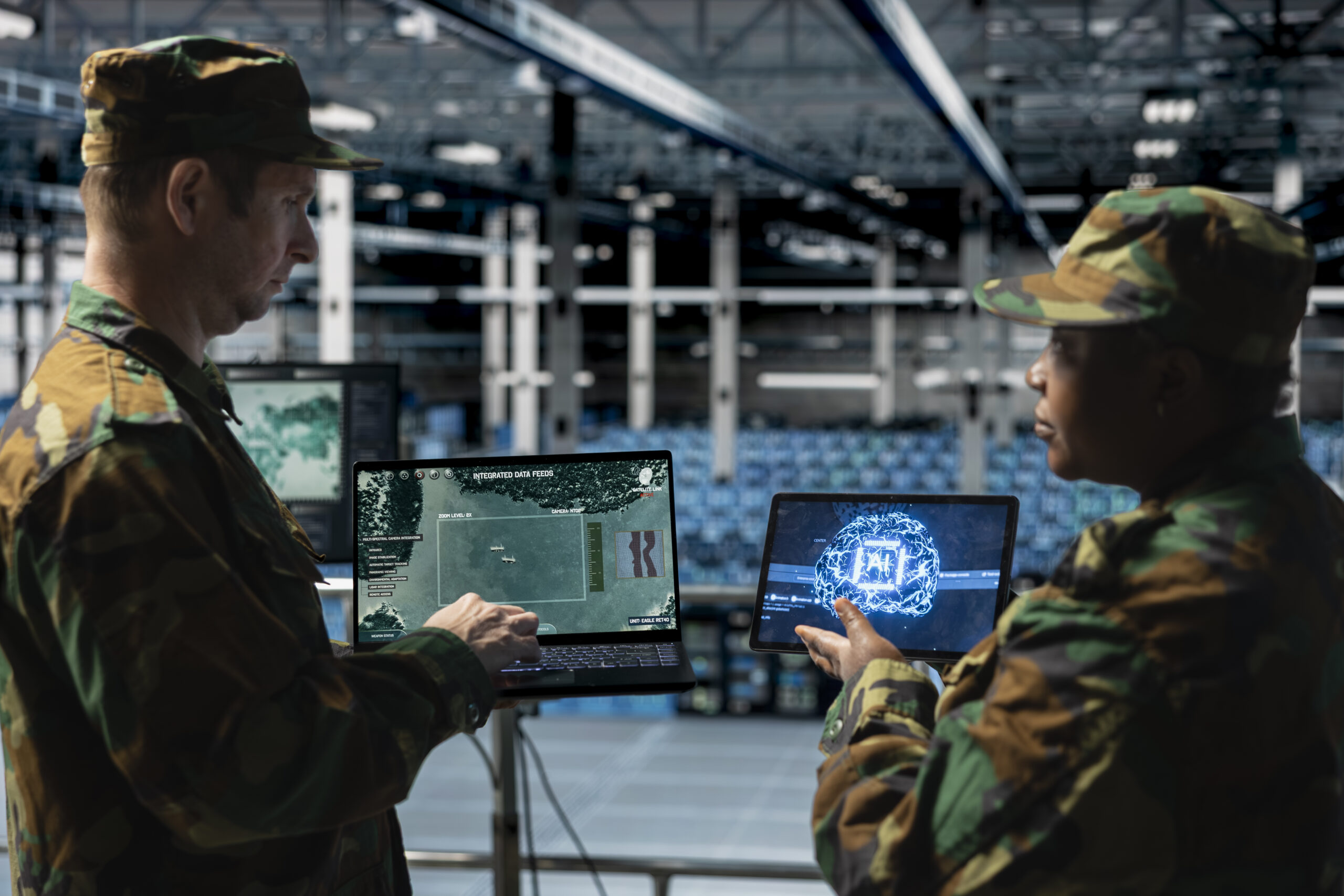

In civilian logistics, a lost shipment is an insurance claim. In defense, it is a national security risk. The journey between a secure manufacturing facility and a forward operating base represents a critical vulnerability gap, often referred to as “The Black Hole”. During this transit phase, sensitive military hardware, aerospace components, and advanced communication systems are exposed to unprecedented risks outside the controlled environments of military installations.
Traditional logistics relies on trust. Modern defense requires “Zero Trust”. You cannot assume the cargo is safe just because it arrived. A shipment might look physically intact on the loading dock, but without actively validating the integrity of the cargo throughout its entire journey, operations proceed with severe security blind spots. In defense logistics, “Blind Spots” are security breaches. You must validate the integrity of the cargo, not just its location.
The legal and operational stakes associated with these blind spots are massive. Defense contractors must navigate the legal requirement to track controlled goods under ITAR/EAR compliance. Failing to maintain continuous visibility over these items can result in severe federal penalties, loss of contracting privileges, and compromised national security. Furthermore, the cost of failure in this sector goes far beyond financial penalties. In defense, a delay isn’t just money; it’s a mission capability gap. Real-time In-Transit Visibility (ITV) is the only way to guarantee a secure Mission Critical Supply Chain.
Contguard serves as a Force Multiplier for logistics security. By shifting the focus from passive tracking to active integrity validation, Contguard ensures continuous operational readiness and strict compliance protocols.
1. Guaranteeing “Chain of Custody” (Integrity)
There is a distinct difference between civilian security and defense security. Civilian logistics primarily focuses on preventing the physical theft of valuable commercial goods. Defense logistics must prevent tampering, sabotage, and espionage. The danger of “Trojan Horses” (bugs implanted in tech) vs. simple theft is a primary concern.
Counterfeit electronic parts and hardware trojans allow adversaries to insert malware or backdoors into critical systems. If an adversary intercepts a shipment of microprocessors, modifies a single component, and reseals the container, the recipient will unknowingly integrate compromised technology directly into defense systems. Proving that no one touched the cargo between Point A and Point B is essential.
The Contguard Solution: Contguard utilizes advanced Light & Door Sensors. If the door opens for 3 seconds at a rest stop, the sensor logs it. The Control Center flags it. You know the chain was broken. This active monitoring prevents espionage and sabotage by detecting unauthorized access, preventing espionage/sabotage even if seals look intact. Contguard operates a 24/7 Control Center that acts as a civilian “Command Center” that validates alerts before escalating to security teams. This ensures that any breach in the chain of custody is documented and addressed immediately, preventing compromised hardware from reaching the assembly line.
2. Enforcing Route Discipline (Geofencing)
Defense cargo must follow specific, safe routes. This is done to minimize exposure to hostile actors, high-risk areas, and unverified facilities. Any deviation from these secure military transport lanes represents a severe threat. A driver taking an unauthorized detour might be facilitating a coordinated hijacking, or making an unauthorized stop to allow malicious actors time to access the cargo.
The Contguard Solution: Contguard enforces strict route discipline through Dynamic Geofencing. We set a “Virtual Corridor”. If the truck deviates by 500 meters, an alert is triggered immediately. This prevents hijacking or unauthorized stops. It also alerts if a driver deviates from the approved “Green Lane” (security protocol). The Contguard Control Center monitors these virtual corridors around the clock. If an alert is triggered, the team validates the deviation in real-time. They assess whether the deviation is due to a routine traffic diversion or a genuine security threat, acting as a critical filter before escalating the situation to military or private security details.
3. Protecting Sensitive Technology (Shock/Tilt)
Delivering a guidance system that looks fine but is internally broken due to a drop is a disaster. Sensitive electronics, such as radar systems, flight controllers, and missiles, must be protected from hidden damage during transit. The physical forces exerted on cargo during loading, unloading, and transit can easily ruin precision calibration.
The Contguard Solution: Contguard provides high-fidelity Impact Monitoring. High-fidelity shock sensors record G-forces. If a crate is dropped, you know before it is installed on a jet fighter. The system records the exact time, location, and severity of the impact. This data is transmitted to the Control Center and the program managers. By identifying the damage immediately, logistics officers can quarantine the compromised component upon arrival, rather than discovering the failure during pre-flight diagnostics or during an active mission. Protecting sensitive electronics (e.g., radar systems, missiles) from hidden damage is a core capability.
4. Operational Readiness (The “Now” Factor)
The warfighter cannot wait for lost parts. Operational readiness is the ultimate metric of success in defense logistics. If a critical spare part is delayed or lost in transit, it directly impacts the mission capable rate of military units. A grounded aircraft or an immobilized vehicle represents a significant tactical disadvantage.
The Contguard Solution: Contguard utilizes Predictive ETAs. Ensuring that spare parts arrive exactly when needed to keep assets operational. By analyzing real-time transit data, traffic conditions, and historical routing performance, Contguard provides accurate arrival predictions. Program managers can adjust maintenance schedules and operational plans based on precise data rather than optimistic estimates. This level of synchronization ensures that the supply chain fully supports the immediate and future needs of the warfighter.
Frequently Asked Questions (FAQ)
1. What defines a “Black Hole” in defense logistics?
“The Black Hole” refers to the vulnerability gap between the factory and the forward operating base. Once cargo leaves a secure facility and enters transit, it is exposed to external threats. Without continuous in-transit visibility, this phase becomes a blind spot where tampering or theft can occur unnoticed.
2. Why is passive GPS tracking insufficient for military cargo?
Passive GPS tracking only provides location data. It does not validate the physical integrity of the container. A shipment can remain perfectly on route while simultaneously being tampered with inside the trailer. Defense logistics requires sensors that detect unauthorized door openings, light exposure, and physical impacts to guarantee security.
3. How does Contguard assist with ITAR and EAR compliance?
ITAR and EAR regulations require continuous tracking and control over exported military and dual-use technologies. Contguard provides the necessary digital audit trails, real-time location data, and chain-of-custody verification required to prove compliance to regulatory bodies and avoid federal penalties.
4. What is the “Trojan Horse” threat in the supply chain?
The Trojan Horse threat involves adversaries intercepting sensitive hardware during transit, implanting malicious microchips or firmware bugs, and resealing the shipment. When the hardware is later installed into defense networks, these hidden bugs can exfiltrate data or sabotage systems from within.
5. How does Contguard handle false alarms during transit?
Contguard operates a 24/7 Control Center that acts as a primary filter for all sensor alerts. Before notifying military logistics officers or law enforcement, the Control Center team validates the alert to ensure it is a genuine security threat and not a routine logistical event, saving program managers valuable time and resources.
Conclusion
Security is not an add-on; it is the foundation of defense logistics. The stakes are too high to rely on blind trust and passive tracking. By validating the integrity, condition, and precise location of every shipment, Contguard eliminates transit blind spots and ensures that the supply chain remains a secure, unbroken link from the manufacturer to the battlefield.
Ensure your assets are mission-ready. Secure your supply chain with Contguard.
Image credits: <a href="https://www.freepik.com/free-photo/team-army-experts-analyzing-missiles-flight-paths-with-deep-learning_418944864.htm">Image by DC Studio on Freepik</a>